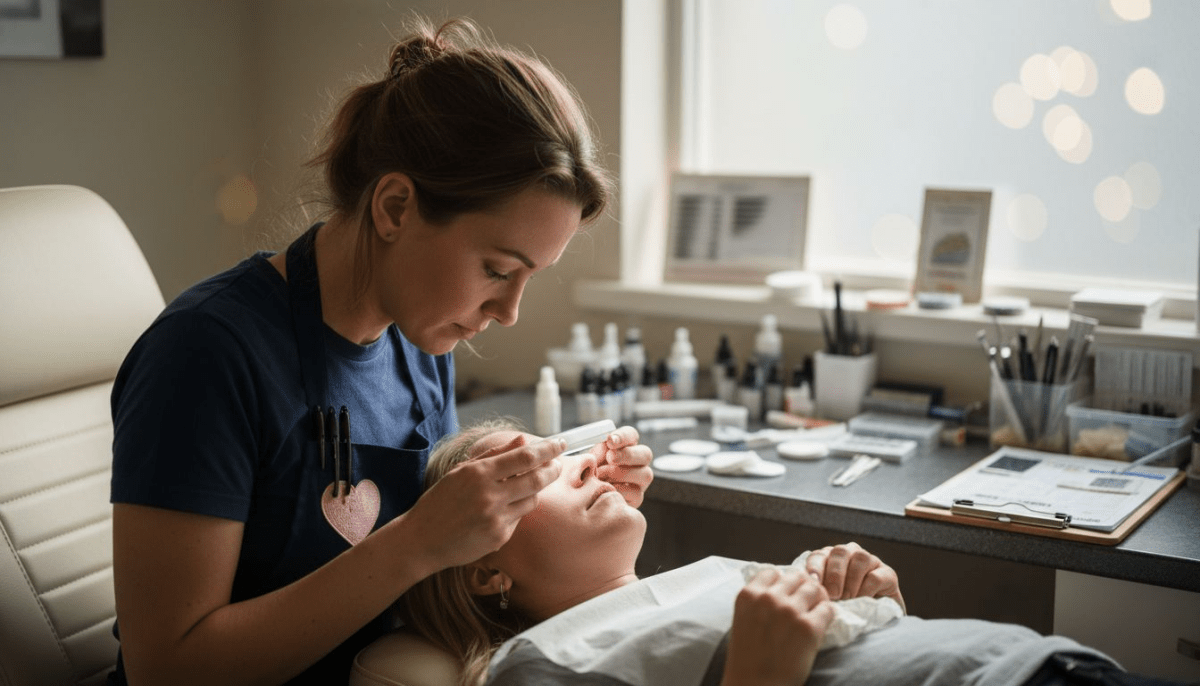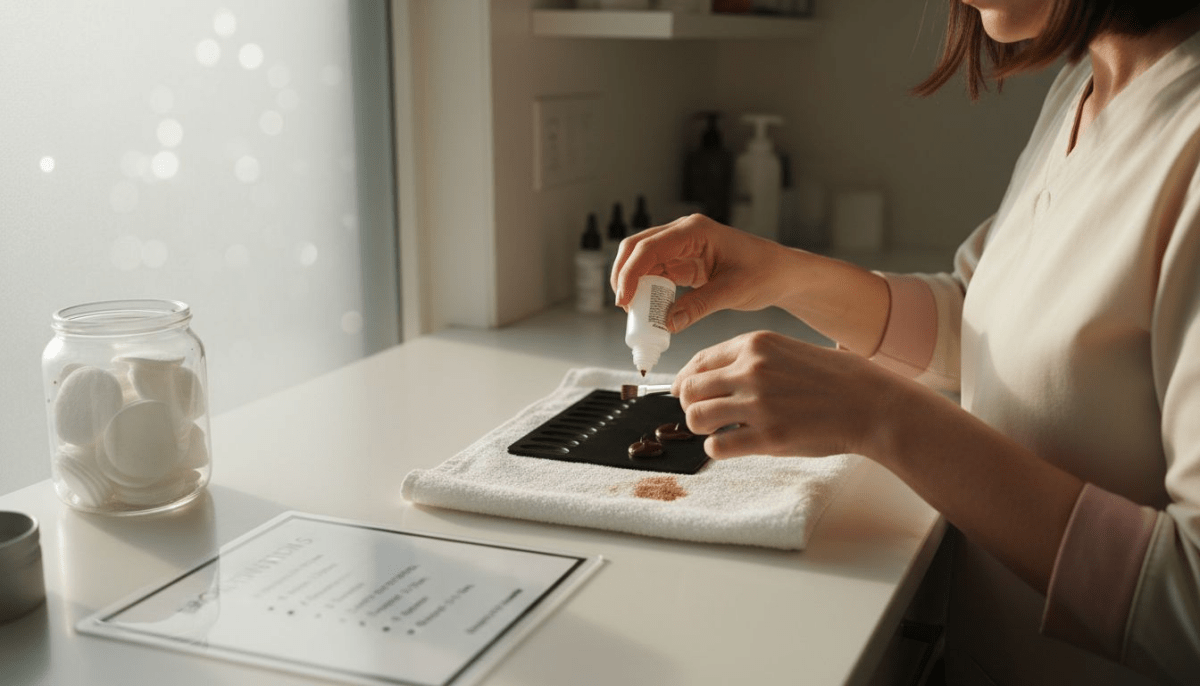
Role of Tint in Brow Design: Transforming Definition
Nearly 65 percent of American clients request enhanced brow definition in their beauty treatments, making brow tinting a must-have skill for licensed estheticians. As brow trends shift across the United States, professionals face growing demand for natural-looking color and precise shape. This guide reveals how understanding technical nuances, advanced application methods, and regulatory standards can transform results and help American beauty professionals deliver safe, customized brow design for every client.
Table of Contents
- Understanding Brow Tint In Brow Design
- Comparing Tint Types And Application Methods
- How Tint Elevates Shape And Definition
- Safety, Regulations, And Product Selection
- Common Mistakes And Best Practice Tips
Key Takeaways
| Point | Details |
|---|---|
| Brow Tinting Enhances Aesthetics | Brow tinting is a sophisticated cosmetic technique that improves eyebrow appearance, addressing issues like sparse areas and color matching. |
| Choosing the Right Tint | Professionals should select between vegetable-based, synthetic, and hybrid tints based on client skin type and desired look. |
| Application Method Matters | Precise technique is critical; varying application methods can achieve different aesthetic outcomes and enhance brow definition. |
| Safety Protocols are Essential | Conduct thorough patch tests and client consultations to minimize risks and ensure safety during brow tinting procedures. |
Understanding Brow Tint in Brow Design
Brow tinting is a transformative cosmetic technique that enables beauty professionals to redefine eyebrow aesthetics by applying semi-permanent dye to enhance brow appearance. This specialized service goes far beyond simple coloration, offering a strategic approach to eyebrow enhancement that addresses multiple aesthetic goals simultaneously.
The core purpose of brow tinting involves depositing specialized pigments into eyebrow hair to create visual depth, dimension, and definition. Professional estheticians utilize this technique to address various client needs: correcting sparse areas, creating visual symmetry, and matching brow color to hair tone or desired aesthetic outcome. By carefully selecting tint shades that complement skin undertones and natural hair color, professionals can craft highly personalized brow designs that frame the face with precision.
Understanding brow tinting requires recognizing its technical nuances. The process involves selecting appropriate tint formulations, assessing hair texture, and applying color with meticulous technique. Professionals must consider factors like hair porosity, existing brow color, and client skin sensitivity to achieve optimal results. Proper application ensures uniform pigment distribution, preventing patchy or uneven coloration that could compromise the overall design.
Pro tip: Always conduct a thorough patch test and consultation before performing brow tinting to ensure client safety and customize the treatment approach.
Comparing Tint Types and Application Methods
Brow tinting encompasses a diverse range of color application techniques that professional estheticians can utilize to achieve customized aesthetic results. The fundamental approach involves selecting specialized pigment formulations designed to enhance and transform eyebrow appearance through strategic coloration methods.
Professionals typically work with three primary tint categories: vegetable-based, synthetic, and hybrid tints. Vegetable-based tints offer natural ingredients and gentler application, making them ideal for clients with sensitive skin. Synthetic tints provide more intense, longer-lasting color saturation and work exceptionally well for clients desiring dramatic brow definition. Hybrid tints blend characteristics from both categories, offering a balanced approach to color intensity and skin compatibility.
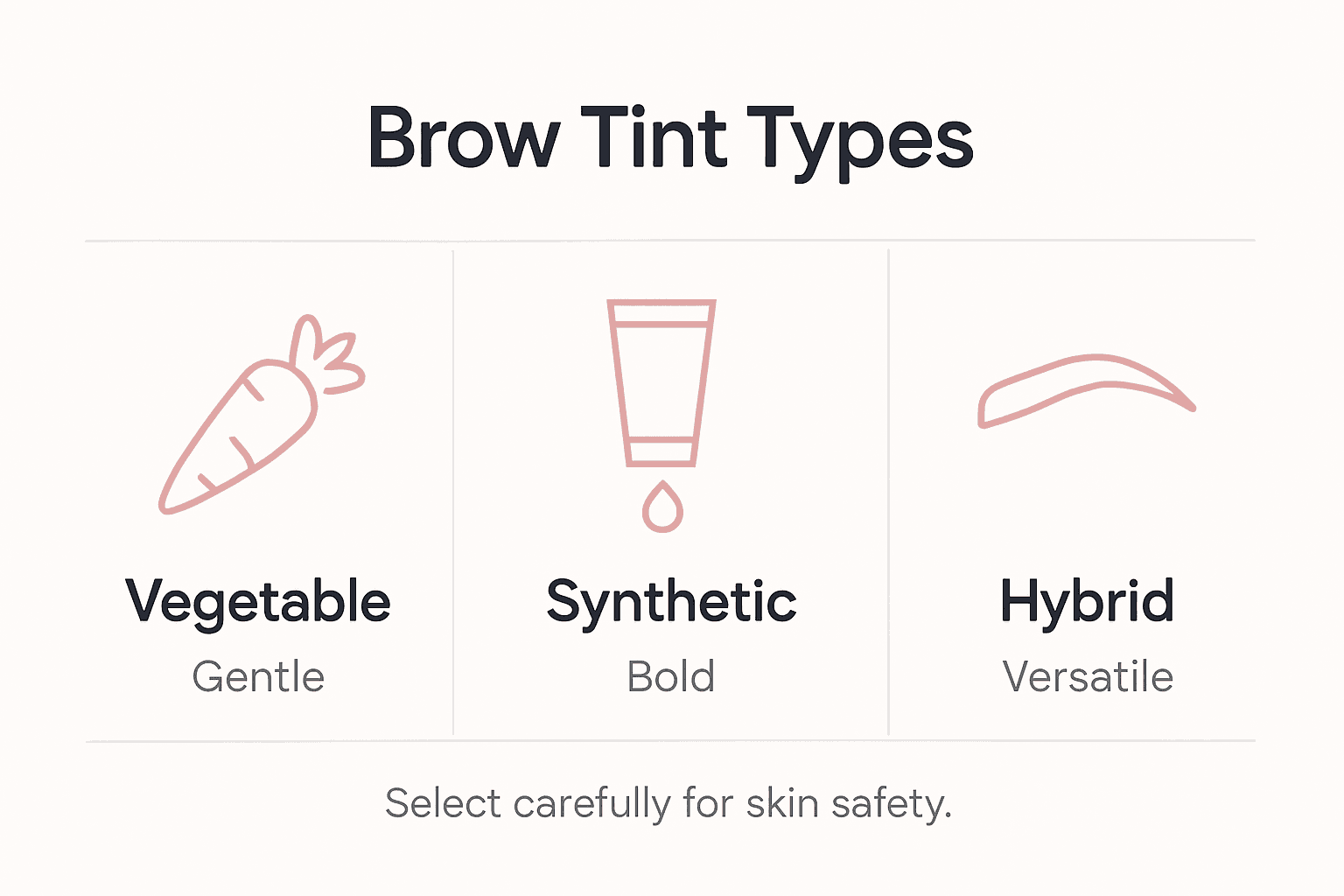
Here is a comparison of brow tint types and their ideal client profiles:
| Tint Type | Main Ingredients | Color Intensity | Recommended For |
|---|---|---|---|
| Vegetable-based | Plant-derived pigments | Soft, natural finish | Sensitive skin, subtle look |
| Synthetic | Chemical formulations | Bold, long-lasting | Dramatic results, bold color |
| Hybrid | Mixed natural/synthetic | Balanced effect | Versatile skin types |
Application methods require precise technical skill and vary significantly based on desired outcome. Traditional brush application allows controlled pigment distribution, while staining techniques enable deeper color penetration into individual hair shafts. Advanced professionals might employ multiple application techniques within a single treatment, strategically layering different tint types to create dimensional, nuanced brow designs that complement individual facial features and skin tones.
Pro tip: Invest in high-quality, professional-grade tint removers and always conduct thorough patch testing to prevent potential allergic reactions and ensure optimal client safety.
How Tint Elevates Shape and Definition
Brow tinting transforms eyebrow aesthetics by strategically enhancing visual perception through color modification, creating a more defined and purposeful facial framework. The precise application of semi-permanent dyes enables beauty professionals to craft eyebrows that not only complement individual facial features but also dramatically improve overall facial symmetry and expression.
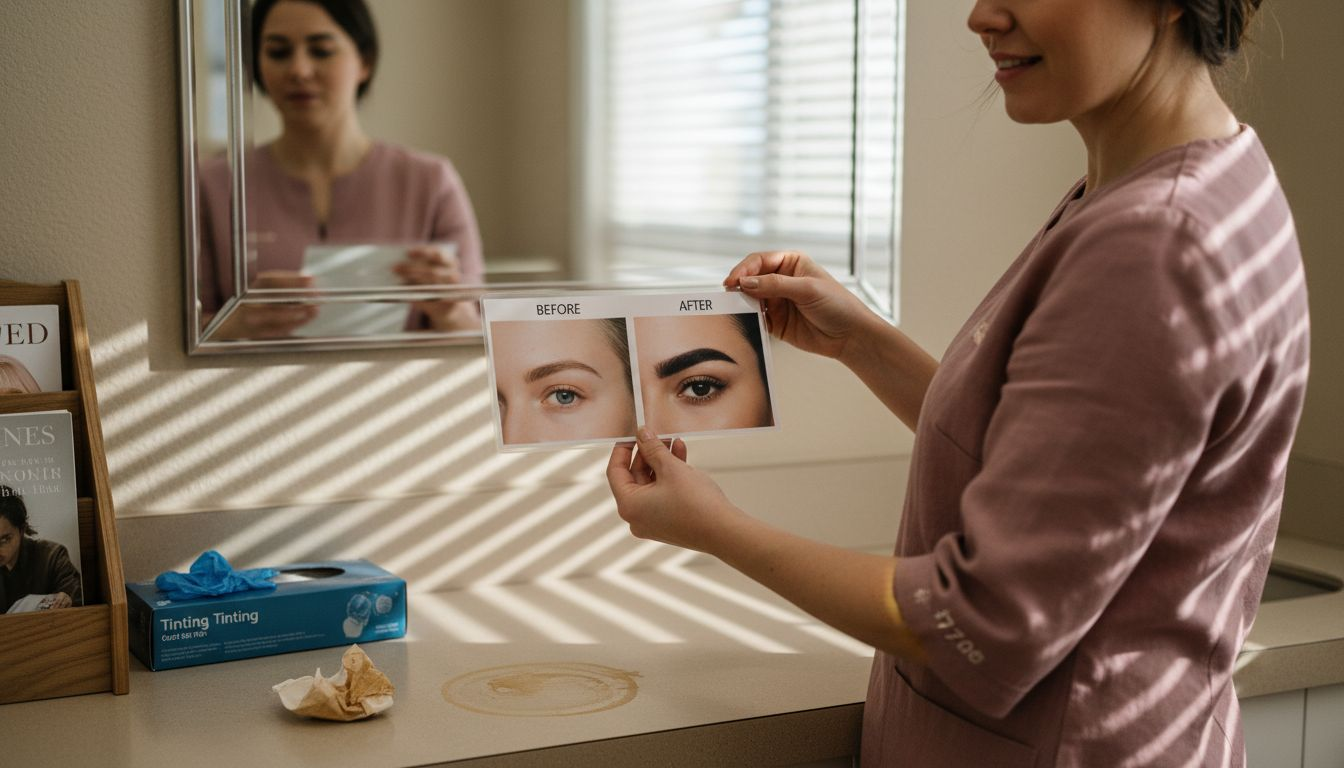
Shape enhancement occurs through multiple sophisticated techniques. Professionals can use tinting to create visual density in sparse areas, effectively camouflaging gaps and creating the illusion of fuller, more uniform brows. By strategically selecting tint shades that match or subtly contrast with natural hair color, estheticians can emphasize brow architecture, drawing attention to key facial points and creating a more balanced, intentional look.
The transformative power of brow tinting extends beyond mere color application. Advanced techniques allow professionals to manipulate visual perception by creating depth, dimension, and contour. Darker tints near the brow’s base can create the appearance of increased volume, while lighter applications toward the brow’s tail can soften and refine the overall shape. This nuanced approach enables customized brow designs that address individual client needs, from correcting asymmetry to enhancing natural bone structure.
Pro tip: Invest in a comprehensive color wheel and practice mixing tints to develop a keen understanding of how different pigment combinations can dramatically alter brow appearance and client perception.
Safety, Regulations, and Product Selection
Brow tinting professionals must navigate complex regulatory requirements for color additives to ensure client safety and compliance. The U.S. Food and Drug Administration maintains strict guidelines governing cosmetic color additives, mandating comprehensive testing and certification for products used in beauty treatments.
Product selection demands meticulous attention to regulatory standards and potential health risks. Estheticians must carefully evaluate tint formulations, considering factors such as ingredient composition, potential allergens, and compatibility with different skin types. Critical selection criteria include examining color additive certifications, reviewing manufacturer safety documentation, and understanding the specific chemical properties of each tinting product.
The potential risks associated with brow tinting cannot be overlooked. Professional guidelines from ophthalmological experts emphasize the importance of rigorous patch testing, precise application techniques, and comprehensive client consultation. Professionals must remain vigilant about potential allergic reactions, skin sensitivities, and the proximity of tinting procedures to sensitive eye areas. This requires developing a comprehensive risk management approach that prioritizes client safety while delivering exceptional aesthetic results.
Pro tip: Maintain a detailed client intake form that documents medical history, previous allergic reactions, and skin sensitivities to minimize potential risks during brow tinting procedures.
Common Mistakes and Best Practice Tips
Brow tinting professionals must be acutely aware of common procedural errors that can compromise treatment quality and client safety. Understanding and preventing these mistakes requires a comprehensive approach that combines technical skill, detailed client assessment, and meticulous application techniques.
Critical mistakes in brow tinting often stem from rushed procedures and inadequate preparation. Over-processing remains a significant concern, with practitioners potentially applying tint for too long or selecting incorrect color intensities that result in unnatural, overly dark brow appearances. Uneven color distribution frequently occurs when professionals fail to apply tint systematically, leading to patchy or inconsistent results that can diminish client satisfaction. Proper technique involves carefully sectioning brows, using precise application tools, and maintaining consistent pressure and coverage during the tinting process.
Client consultation and safety protocols are paramount in preventing adverse reactions. Ophthalmological experts emphasize the importance of rigorous patch testing and understanding potential sensitivities. Professionals must develop a comprehensive intake process that documents medical history, previous allergic reactions, and skin conditions. This proactive approach allows for identifying potential risks before initiating any tinting procedure, ultimately protecting both the client and the practitioner from potential complications.
Below is a summary of common brow tinting mistakes and proactive solutions professionals can use:
| Common Mistake | Potential Result | Proactive Solution |
|---|---|---|
| Over-processing | Unnaturally dark brows | Use timers and gentle removal |
| Uneven application | Patchy, inconsistent look | Section brows, apply evenly |
| Inadequate patch test | Allergic reaction | Conduct skin sensitivity check |
| Poor client intake | Missed health issues | Document medical history |
Pro tip: Create a standardized pre-treatment checklist that includes mandatory patch testing, client medical history review, and written consent to ensure comprehensive safety protocols are consistently followed.
Elevate Your Brow Design with Professional Tinting Solutions
Mastering the art of brow tinting means overcoming challenges like achieving perfect color balance, enhancing definition, and ensuring client safety. This article highlights key points such as selecting the right tint types, avoiding common mistakes like over-processing, and creating natural yet transformative brow shapes through precise pigment application. If you want to deliver flawless brow transformations that boost your clients’ confidence, using the right professional products is essential.
Discover a curated collection of high-quality Brow Tinting & Dyes | Long-Lasting Professional Colors designed to give you expert control over color intensity and finish. Combine your tinting with our trusted OKIS USA - Lash & Brow Lamination Products to enhance shape and durability.

Unlock the full potential of your brow design services today with premium products from Fraustore USA. Shop now and provide your clients with the precise definition and personalized tinting effects they deserve. Take the next step toward creating stunning brows that truly transform faces.
Frequently Asked Questions
What is brow tinting and how does it enhance eyebrow appearance?
Brow tinting involves applying semi-permanent dye to eyebrow hairs to create depth, dimension, and definition. It can correct sparse areas, enhance symmetry, and match brow color to hair tone or desired aesthetic outcomes.
What are the different types of brow tints and their benefits?
There are three primary types of brow tints: vegetable-based (gentler, ideal for sensitive skin), synthetic (provides bold, long-lasting color), and hybrid tints (combine benefits of both). Each type caters to different client needs and desired outcomes.
How does brow tinting affect the shape and definition of eyebrows?
Brow tinting enhances the shape by adding visual density to sparse areas, camouflaging gaps, and emphasizing brow architecture. This can improve facial symmetry and create a more intentional look by manipulating the depth and contour of the brows.
What precautions should be taken during the brow tinting process?
It’s crucial to conduct a patch test to check for allergies, maintain thorough client consultations, and ensure precise application to prevent over-processing or uneven color distribution. Proper documentation of medical history and sensitivities is also essential for safety.