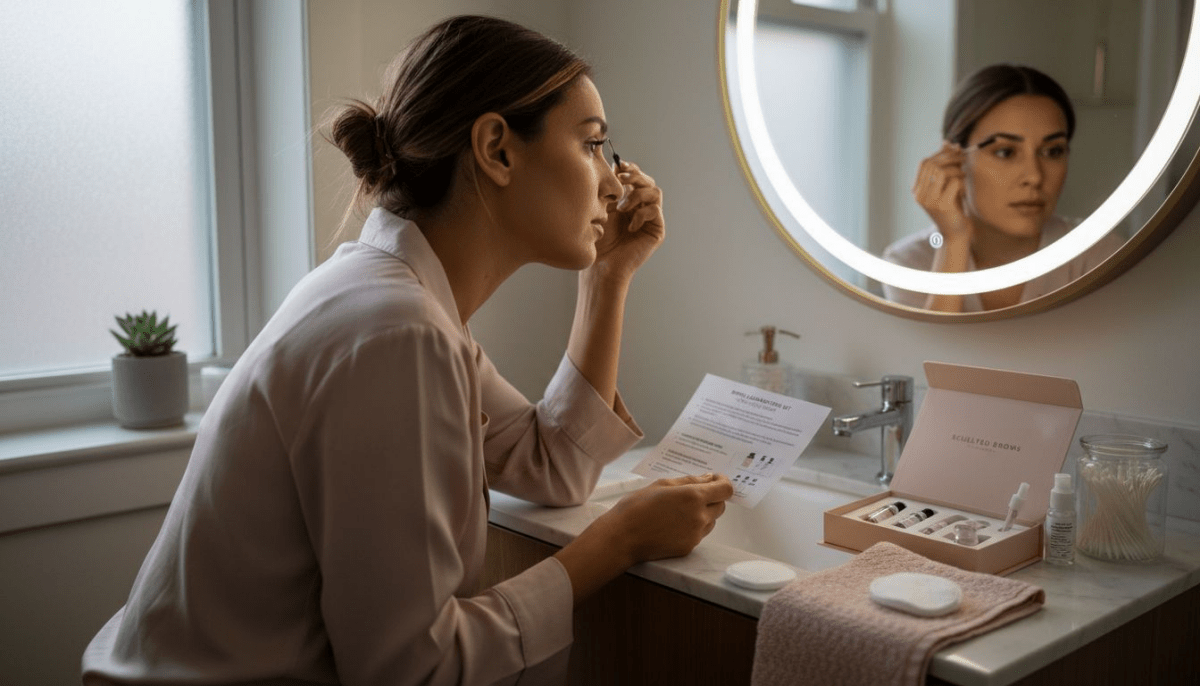
Brow Tint Color Theory: Achieving Custom Results
More than 80 percent of American beauty clients believe that perfectly tinted brows make a dramatic difference in their overall appearance. Understanding how color theory applies to brow tinting is crucial for anyone who wants results that truly complement their skin tone and hair color. With thoughtful shade selection and skillful mixing, brow tint color theory empowers both professionals and clients to achieve personalized, natural-looking enhancements that flatter every unique face.
Table of Contents
- Understanding Brow Tint Color Theory Basics
- Exploring Undertones and Natural Hair Color
- Selecting Shades for Different Skin Tones
- Mixing and Adjusting Brow Tint Colors
- Common Brow Tinting Mistakes to Avoid
Key Takeaways
| Point | Details |
|---|---|
| Understanding Color Theory | Brow tinting relies on a solid grasp of color theory, focusing on base tints that complement individual skin tones and hair colors. |
| Assessing Undertones | Successful brow tinting starts with a thorough assessment of skin undertones, which can be categorized as warm, cool, or neutral. |
| Shade Selection Strategy | Choosing the right brow tint involves analyzing base skin undertone and natural hair color to determine the most flattering shades. |
| Avoiding Common Mistakes | Key errors to avoid include inadequate color selection, improper application, and failure to prepare the skin properly prior to tinting. |
Understanding Brow Tint Color Theory Basics
Brow tint color theory represents a sophisticated approach to creating personalized eyebrow shades that harmonize with individual skin tones and hair colors. At its core, the process involves understanding how different pigments interact and complement each other.
The fundamental concept revolves around selecting base tints that either match or intentionally contrast with a client’s natural hair color. Professional colorists utilize the Itten color circle as a scientific framework for selecting complementary shades. This approach allows for precise color neutralization and customization, ensuring that eyebrow tints appear seamless and enhance natural facial features. By understanding underlying color relationships, beauty professionals can transform standard tinting into an art form that considers skin undertones, hair color, and individual aesthetic preferences.
Successful brow tinting requires mastering several critical techniques. These include:
- Analyzing base hair color and skin undertones
- Understanding pigment interaction dynamics
- Selecting neutralizing shades to correct unwanted color cast
- Blending multiple tints to achieve dimensional, natural-looking results
Professional colorists recognize that effective brow tinting goes beyond simply darkening hair. The goal is creating a customized shade that looks intentional, balanced, and harmonious with an individual’s unique coloring. By applying precise color theory principles, technicians can transform routine eyebrow treatments into personalized aesthetic experiences that enhance natural beauty.
Exploring Undertones and Natural Hair Color
Successful brow tinting starts with a comprehensive understanding of natural hair color and undertones, which serve as the foundational blueprint for creating customized results. Professional techniques for assessing hair color and skin undertones reveal a nuanced approach that goes beyond simple color matching.
Undertones play a critical role in determining the most flattering brow tint shade. Professionals categorize undertones into three primary groups: warm, cool, and neutral. Warm undertones typically feature golden, peach, or yellow hues, while cool undertones present with pink, red, or blue subtle color variations. Neutral undertones represent a balanced combination that allows for more versatile color selections. By carefully analyzing these subtle color variations, beauty technicians can select brow tints that seamlessly integrate with a client’s natural coloring, creating a harmonious and refined aesthetic.
The process of selecting the right brow tint involves several strategic considerations:
- Conducting a detailed skin undertone assessment
- Examining natural hair color variation and depth
- Identifying potential color correction needs
- Selecting complementary pigments that enhance natural features
Advanced colorists understand that brow tinting is not about creating a uniform color, but about developing a multi-dimensional shade that reflects natural hair complexity. This approach requires keen visual analysis, technical skill, and an artistic understanding of how different pigments interact with individual skin and hair characteristics. By mastering these nuanced techniques, beauty professionals can transform standard brow tinting into a personalized aesthetic experience that highlights each client’s unique beauty.
Selecting Shades for Different Skin Tones
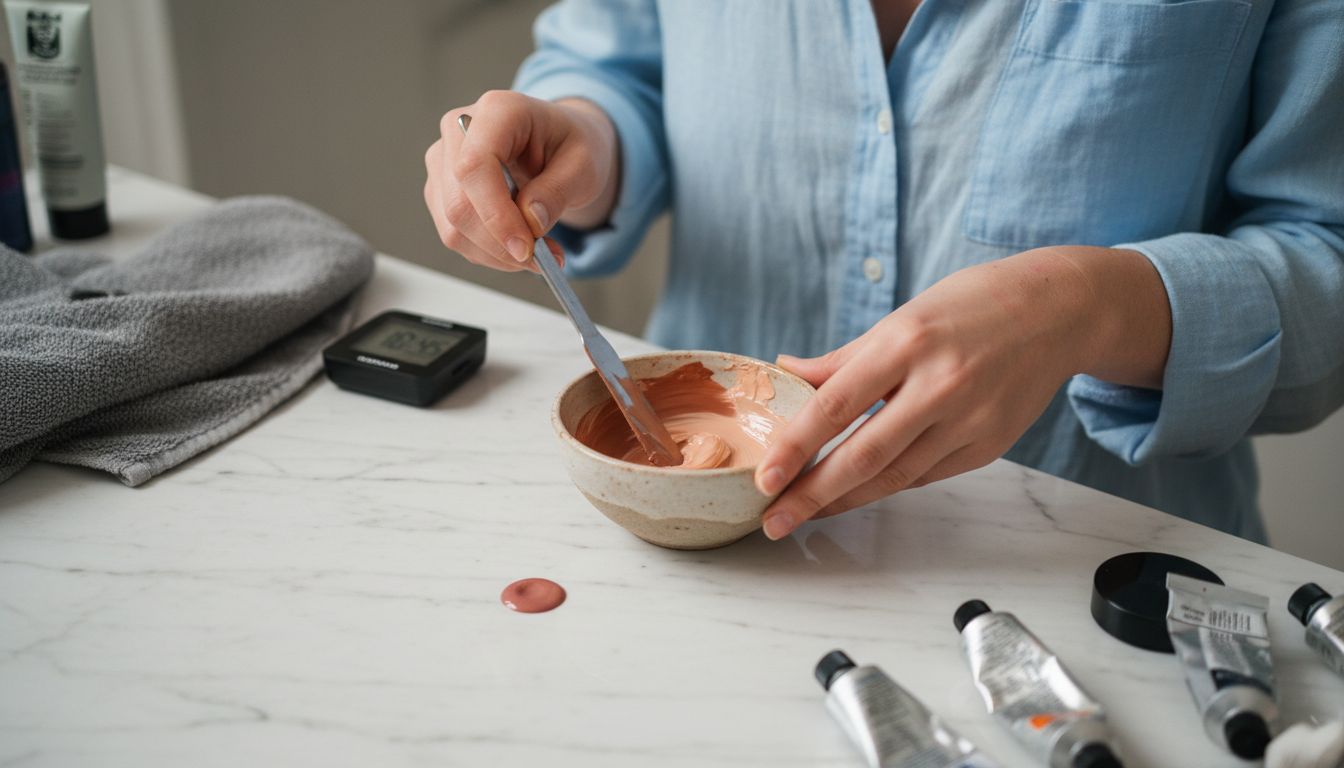
Selecting the perfect brow tint shade requires a nuanced understanding of how color interacts with diverse skin tones. Professional color selection techniques reveal that successful brow tinting goes far beyond a one-size-fits-all approach, demanding careful consideration of individual skin undertones and natural coloration.
Skin tone classification typically involves three primary categories: light, medium, and deep. Each category presents unique challenges and opportunities for brow tint customization. Light skin tones often benefit from softer, more muted tint shades that create subtle definition without appearing harsh. Medium skin tones can accommodate a broader range of tint colors, allowing for more dramatic contrast or natural blending. Deep skin tones require carefully selected pigments that provide rich, dimensional color without appearing flat or monochromatic.
Critical considerations for selecting brow tint shades include:
- Analyzing base skin undertone (warm, cool, or neutral)
- Evaluating natural hair color and texture
- Understanding how different pigments interact with skin melanin
- Selecting shades that enhance facial features
Mastering brow tint selection is an art form that combines technical skill with aesthetic sensitivity. Professional colorists recognize that the goal is not simply to apply a uniform color, but to create a nuanced, personalized result that complements an individual’s unique physical characteristics. By developing a sophisticated approach to shade selection, beauty professionals can transform brow tinting from a routine service into a transformative aesthetic experience that enhances natural beauty and boosts client confidence.
Mixing and Adjusting Brow Tint Colors
Color mixing represents the most sophisticated skill in professional brow tinting, requiring precision and artistic understanding. Advanced color mixing techniques from professional tutorials demonstrate how strategic pigment combination can transform standard tinting into a customized aesthetic experience.
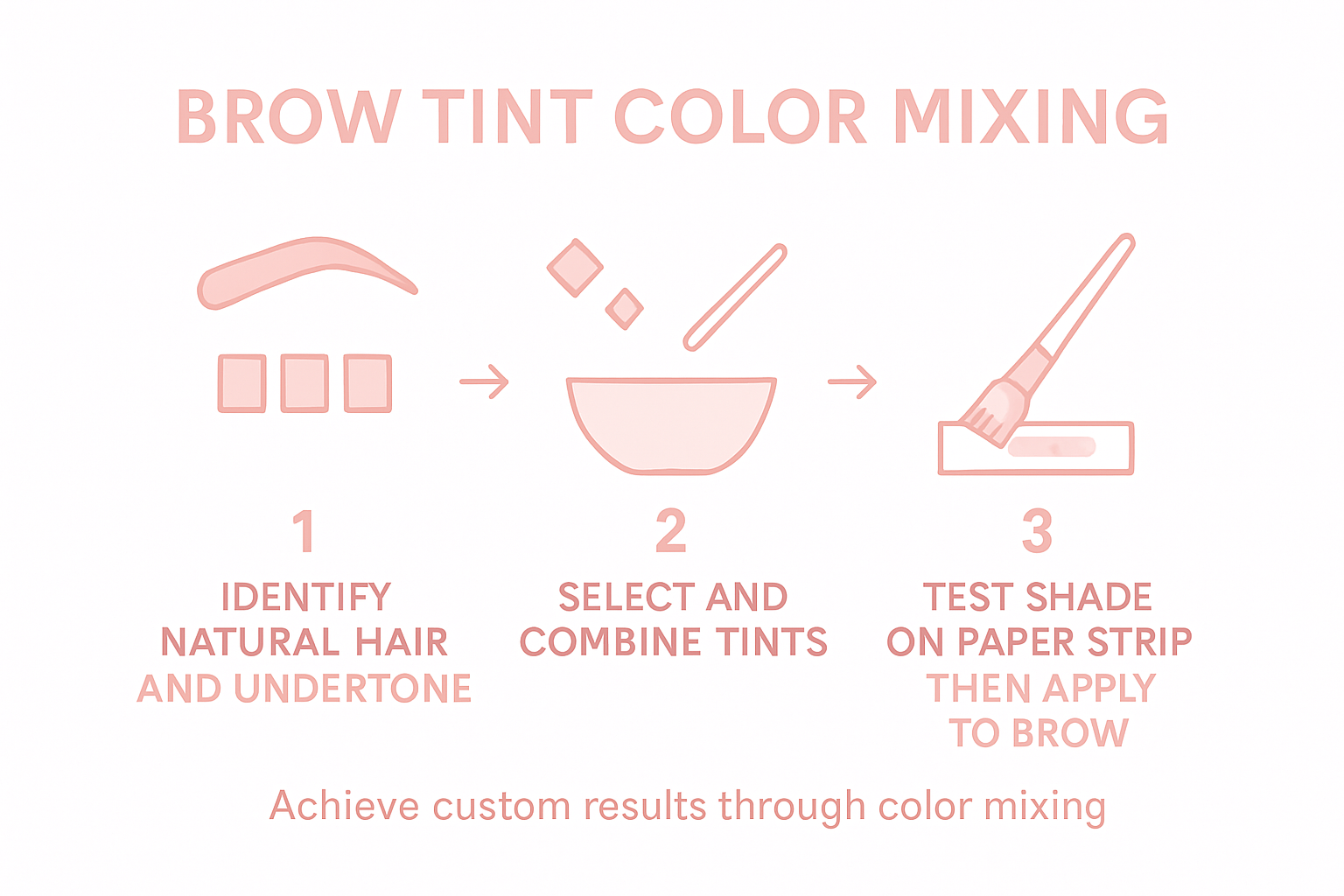
The Itten color circle serves as the foundational framework for understanding pigment interactions. Professional colorists utilize this scientific approach to neutralize unwanted tones and create multi-dimensional brow colors. By understanding complementary and analogous color relationships, technicians can develop nuanced tint mixtures that enhance natural hair color and skin undertones. Cool-toned bases can be warmed with subtle golden pigments, while overly warm tones can be neutralized using ashier or slate-based color additives.
Key strategies for precise brow tint color mixing include:
- Utilizing primary and secondary color wheel principles
- Creating custom shade gradients
- Neutralizing unexpected color undertones
- Balancing pigment intensity and depth
Mastering color mixing is an intricate process that blends technical knowledge with artistic intuition. Successful brow tinting goes beyond simple color application, requiring a deep understanding of how different pigments interact, reflect light, and complement individual skin characteristics. Professional colorists approach each tinting session as a unique opportunity to create a personalized, nuanced result that enhances natural beauty and individual style.
Common Brow Tinting Mistakes to Avoid
Professional brow tinting requires precision and expertise, with numerous potential pitfalls that can compromise the final result. Common eyebrow tinting mistakes reveal critical areas where even experienced technicians can encounter challenges, potentially ruining an otherwise perfect brow treatment.
Color selection represents one of the most significant areas of potential error. Many professionals mistakenly choose shades that are too dark or do not complement the client’s natural coloring, resulting in an unnatural, harsh appearance. Improper application techniques can lead to uneven pigment distribution, creating patchy or inconsistent brow color. Additional critical mistakes include failing to properly prepare the skin before tinting, which can result in poor pigment absorption, and neglecting to protect the surrounding skin from potential staining.
Key mistakes to avoid during brow tinting include:
- Selecting shades that are too dark or too light
- Failing to conduct a thorough skin and hair color assessment
- Overlooking proper skin preparation techniques
- Leaving tint on for incorrect processing times
- Neglecting to use barrier creams around the brow area
- Applying tint without considering individual facial features
Successful brow tinting demands a combination of technical skill, artistic vision, and meticulous attention to detail. Professionals must approach each treatment as a unique opportunity to enhance a client’s natural beauty, understanding that subtle nuances in application can dramatically impact the final result. By avoiding common mistakes and developing a comprehensive understanding of color theory and application techniques, beauty technicians can consistently deliver exceptional brow tinting experiences that exceed client expectations.
Master Brow Tint Color Theory with Professional Products
Achieving custom brow tint results demands a deep understanding of pigment interaction, undertones, and shade selection. If you want to avoid common pitfalls and create personalized, multi-dimensional brow colors that truly enhance your client’s natural beauty then our collection of Brow Tinting & Dyes | Long-Lasting Professional Colors is the perfect solution. These professional-grade tints offer precise pigment control to help you neutralize unwanted tones and craft flawless shades every time.

Unlock expert-level tinting techniques with trusted products from Fraustore USA. Explore our full range of supplies on the main site and complement your brow services with top-rated OKIS USA - Lash & Brow Lamination Products to enhance the overall look. Start elevating your brow tinting artistry today by shopping now and transforming routine treatments into customized beauty experiences.
Frequently Asked Questions
What is brow tint color theory?
Brow tint color theory involves understanding how different pigments interact to create personalized eyebrow shades that complement an individual’s skin tones and hair colors.
How do I choose the right brow tint shade for my skin tone?
Choosing the right brow tint shade starts with analyzing your skin undertones (warm, cool, or neutral) and matching them with appropriate tint colors that enhance your natural features.
What common mistakes should I avoid during the brow tinting process?
Common mistakes include selecting shades that are too dark or too light, failing to properly assess skin and hair colors, and neglecting skin preparation before applying tint.
How can I ensure a natural-looking result with brow tinting?
To achieve a natural-looking result, it’s essential to blend multiple tints, understand the dynamics of pigment interaction, and consider your unique hair color and skin undertones during the tinting process.