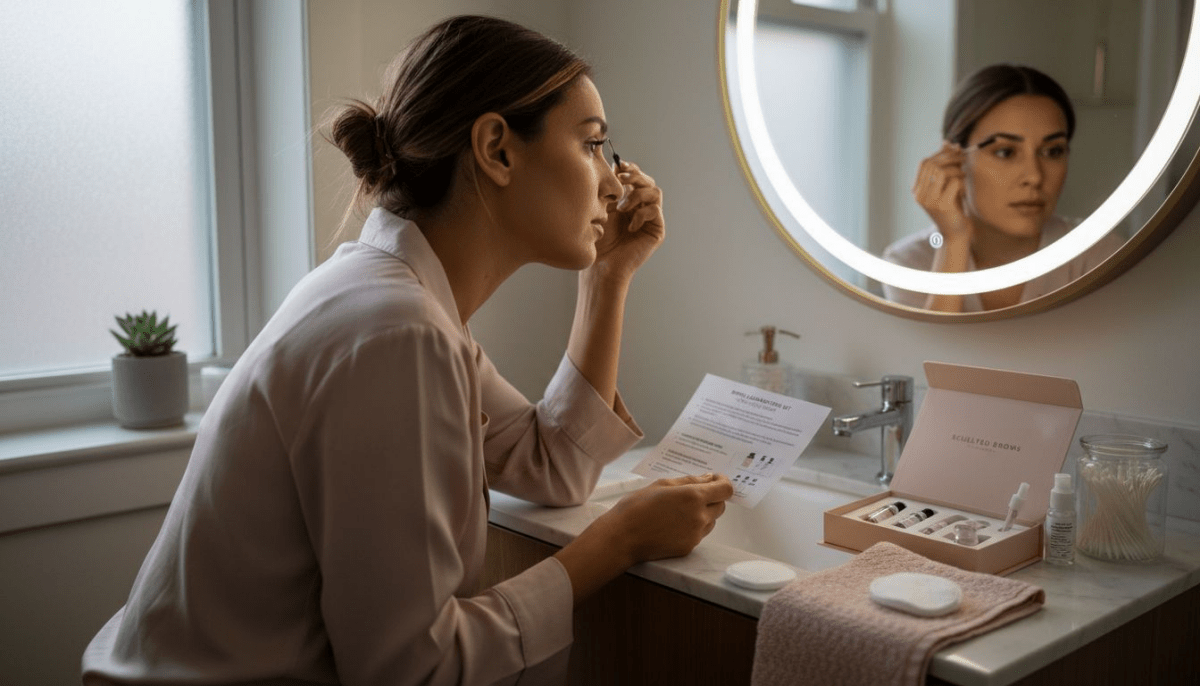
Lash Tint Longevity: What Impacts Results and Fading
Many American beauty enthusiasts are surprised to learn that lash tints only last about 3 to 5 weeks, not permanently as some believe. This matters because expectations about results often shape satisfaction with lash treatments. By learning the truth behind lash tint longevity, uncovering common myths, and understanding what really influences color fade, you can enjoy better, longer-lasting results and avoid common frustrations.
Table of Contents
- Defining Lash Tint Longevity And Common Myths
- Different Types Of Lash Tints And Their Durability
- Factors That Influence Lash Tint Longevity
- Aftercare Best Practices For Lasting Results
- Risks, Allergies, And Fading Issues To Avoid
Key Takeaways
| Point | Details |
|---|---|
| Lash Tint Longevity | Lash tints generally last between 3 to 5 weeks, influenced by individual factors such as skin type and aftercare. |
| Types of Lash Tints | Different tints, including standard synthetic and keratin-enhanced options, offer varying durability and benefits, with keratin-enhanced tints lasting up to 10 weeks. |
| Aftercare Importance | Proper aftercare, especially avoiding moisture and using gentle products, is crucial to extend lash tint results. |
| Allergy Risks | Individuals should be cautious of potential allergic reactions and should always conduct a patch test prior to treatment to minimize risks. |
Defining Lash Tint Longevity and Common Myths
Lash tint longevity refers to the duration of color retention and vibrancy after a professional lash tinting treatment. While many people believe lash tints are permanent, they typically last between 3 to 5 weeks, depending on various environmental and personal factors. Lash professionals track multiple variables that influence how long the tint remains visible and vibrant.
Contrary to popular misconceptions, lash tint results are not universal and can vary significantly between individuals. Safety standards from professional cosmetology boards emphasize that synthetic and natural lash characteristics play a crucial role in determining tint duration. Factors like natural lash texture, skin type, daily activities, and aftercare routine can dramatically impact how long the tint maintains its initial color intensity.
Common myths surrounding lash tinting often lead to unrealistic expectations. Many clients believe that a single treatment will provide permanent dramatic results, but professional lash technicians understand that tint longevity is a nuanced process. Environmental exposure, skincare products, makeup removal techniques, and individual lash growth cycles all contribute to color fading. Understanding these variables helps manage client expectations and promotes more realistic treatment outcomes.
Pro Tip: Color Preservation Strategy. To maximize lash tint longevity, avoid oil-based makeup removers and minimize direct water exposure during the first 48 hours after treatment, allowing the tint to fully set and penetrate the lash cuticle.
Different Types of Lash Tints and Their Durability
Professional lash tints come in several distinct varieties, each offering unique characteristics and durability profiles. Natural lash tinting options range from semi-permanent synthetic dyes to more advanced formulations designed to enhance and protect lash appearance. These treatments can be broadly categorized into standard tints, vegetable-based tints, and specialized keratin-enhanced tints.
Standard Synthetic Tints typically last 3-5 weeks and provide the most straightforward color enhancement. These dyes penetrate the lash shaft quickly and offer intense pigmentation. Professional lash treatments like keratin-based lash lifts can extend color retention to approximately 8-10 weeks when combined with specialized application techniques. Vegetable-based tints offer a gentler alternative, using natural pigments that are less harsh on delicate lash structures but may have slightly shorter longevity.
Advanced lash tinting techniques now incorporate multiple factors to improve durability and color retention. Professionals consider individual lash texture, skin chemistry, and lifestyle factors when selecting appropriate tint formulations. Keratin-enhanced tints, for instance, not only add color but also strengthen lash structure, potentially extending the treatment’s effective lifespan. Factors like daily skincare routines, makeup removal techniques, and environmental exposure can significantly impact how long the tint maintains its original vibrancy.
Here is a summary comparing major types of lash tints and their key benefits:
| Tint Type | Typical Longevity | Key Benefit | Best For |
|---|---|---|---|
| Standard Synthetic | 3-5 weeks | Intense, rich pigmentation | Dramatic color transformation |
| Vegetable-Based | 2-4 weeks | Gentler on lashes | Sensitive eyes or delicate lashes |
| Keratin-Enhanced | 8-10 weeks (with lift) | Strengthens while coloring | Extended wear, lash conditioning |
Pro Tip: Tint Preservation Technique. Avoid oil-based products and excessive moisture for the first 48 hours after tinting to allow the pigment to fully set and maximize color longevity.
Factors That Influence Lash Tint Longevity
Lash tint longevity is a complex process influenced by multiple interconnected factors that extend far beyond the initial application. Understanding aftercare techniques plays a critical role in preserving the intensity and duration of lash tint results. Professional beauty experts recognize that individual physiological characteristics and lifestyle choices dramatically impact how long a lash tint maintains its vibrant appearance.
Environmental Factors significantly contribute to tint degradation. Exposure to direct sunlight, humidity, chlorinated water, and frequent sweating can accelerate color fading. Skin type also plays a crucial role, with oily skin types typically experiencing faster tint breakdown compared to dry or normal skin. Factors like daily skincare routines, makeup removal techniques, and the frequency of eye area cleansing directly influence how quickly the tint will naturally wear off.
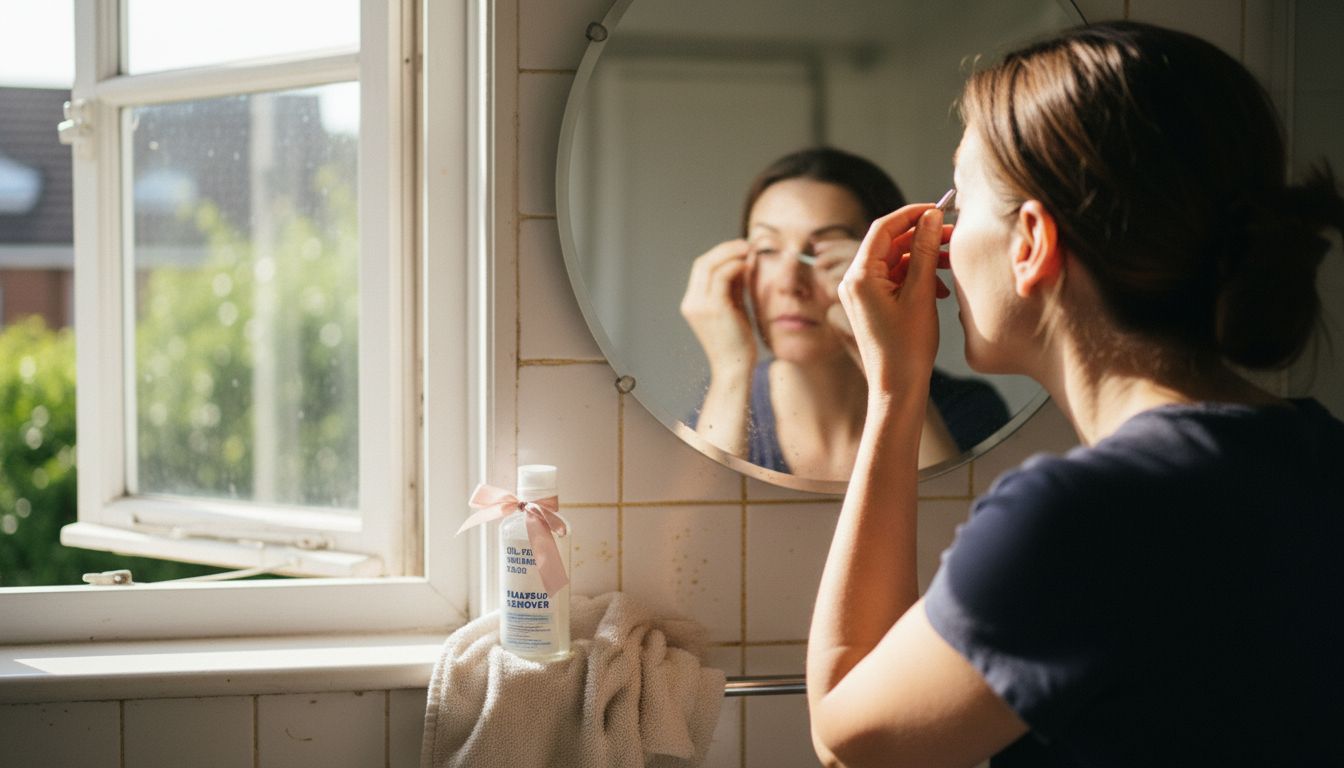
Individual lash characteristics create unique challenges for color retention. Lash texture, thickness, and natural growth cycle determine how well pigments adhere and maintain their initial intensity. Professionals assess these individual variations to recommend personalized tinting strategies. Hormonal changes, age, and overall health can also impact melanin production and lash structure, further modifying how long a tint will remain visible and vibrant.
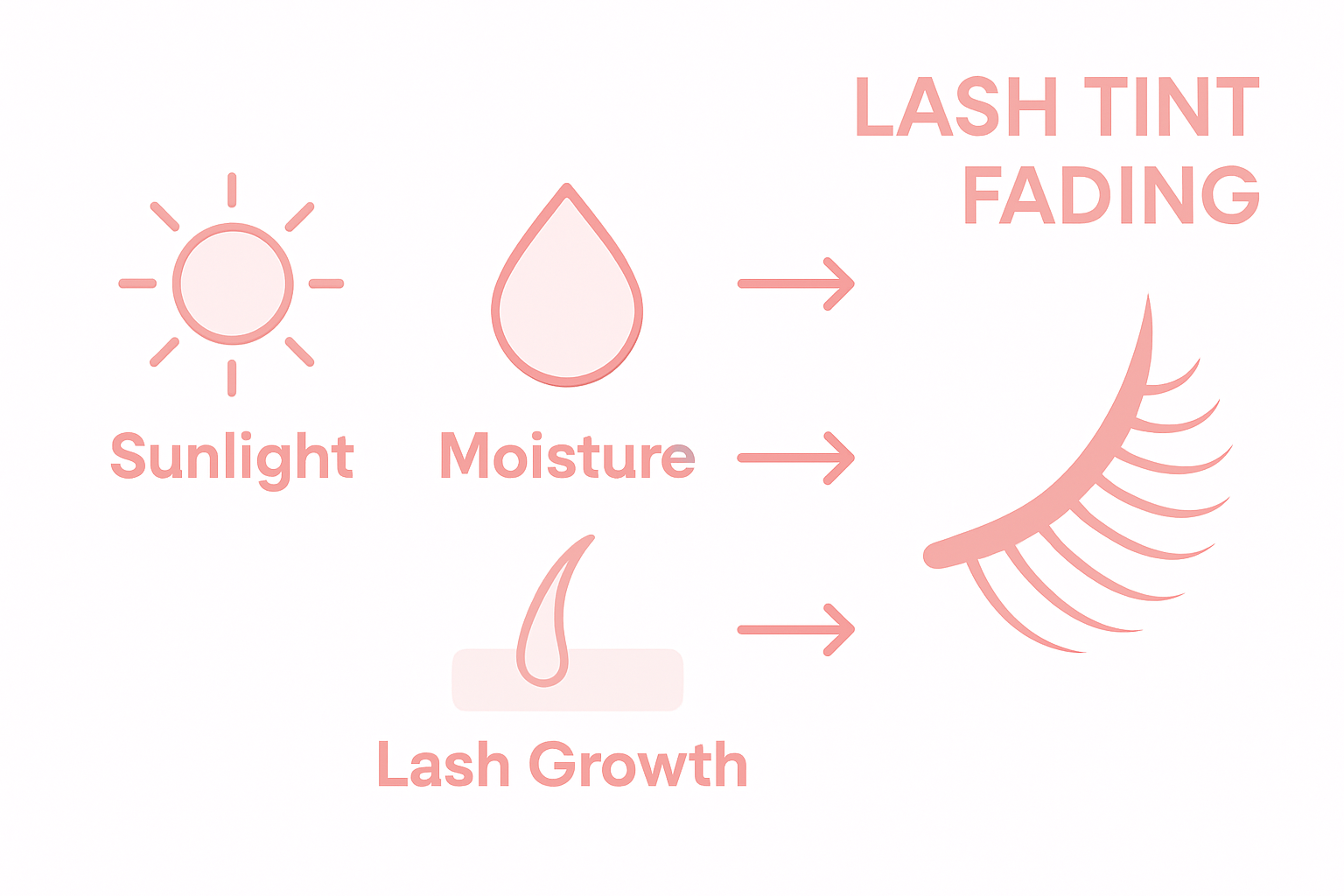
Pro Tip: Tint Preservation Protocol. Minimize oil-based products near the eye area and use gentle, water-based makeup removers to extend your lash tint’s longevity and maintain color brilliance.
This table summarizes key factors that shorten or extend lash tint longevity:
| Factor | Effect on Tint Longevity | Example Impact |
|---|---|---|
| Sun Exposure | Accelerates fading | Intense sunlight lightens color |
| Oil-Based Removers | Breaks down tint faster | Early loss of vibrancy |
| Lash Growth Cycle | Natural fading as lashes shed | Fresh tint lost with lash fall-out |
| Aftercare Compliance | Extends and preserves color | Following protocols keeps color longer |
Aftercare Best Practices for Lasting Results
Optimal lash tint maintenance requires a strategic approach that begins immediately after the treatment. Professional aftercare recommendations emphasize the critical first 24-48 hours as a crucial period for preserving color intensity and treatment results. During this initial window, professionals advise clients to minimize moisture and avoid activities that could compromise the newly applied tint.
Moisture Management represents the most critical aspect of lash tint aftercare. Clients should strictly avoid water, steam, and excessive humidity during the first two days post-treatment. This includes postponing intense workouts, avoiding swimming, and being cautious during face washing routines. Oil-based makeup removers and skincare products can also break down the tint prematurely, so water-based alternatives are recommended to maintain color vibrancy and longevity.
Beyond the initial 48-hour window, ongoing maintenance becomes key to extending lash tint results. Gentle cleansing techniques, using soft brushes or cotton swabs, help prevent unnecessary friction that could cause premature color fading. Professionals recommend using specialized lash serums and conditioners that support pigment retention while nourishing the natural lash structure. Protective strategies like wearing sunglasses and minimizing direct sun exposure can also significantly contribute to maintaining the tint’s original color intensity.
Pro Tip: Color Protection Strategy. Apply a clear, water-resistant lash serum weekly to create a protective barrier that helps lock in color and prevent environmental degradation.
Risks, Allergies, and Fading Issues to Avoid
Safety standards from professional cosmetology boards underscore the critical importance of understanding potential risks associated with lash tinting procedures. Individuals with sensitive skin or a history of eye allergies should approach lash tints with heightened caution, as the chemical compounds used in tinting solutions can trigger unexpected reactions. Pre-treatment patch testing becomes an essential protective measure to identify potential sensitivities before a full application.
Allergic Reactions represent the most significant risk in professional lash tinting. Common symptoms include redness, swelling, itching, and in rare cases, severe inflammation around the eye area. Chemical irritants like para-phenylenediamine (PPD) found in some tinting solutions can cause contact dermatitis or more serious allergic responses. Individuals with known sensitivities to hair dyes or previous negative reactions to cosmetic treatments should consult a dermatologist before proceeding with any lash tinting procedure.
Technical application errors can dramatically compromise lash tint results and safety. Improper technique, low-quality products, and inconsistent application can lead to uneven color distribution, premature fading, and potential eye irritation. Professional lash experts recognize that treatment outcomes depend on multiple interconnected factors, including technician skill, product quality, and individual client characteristics. Clients should prioritize selecting licensed professionals with extensive experience and proven track records in lash enhancement treatments.
Pro Tip: Reaction Prevention Protocol. Always request a comprehensive patch test at least 24-48 hours before your lash tint appointment, and immediately report any unusual symptoms to your beauty professional.
Maximize Your Lash Tint Longevity with Professional Solutions
Understanding what affects lash tint fading is essential for achieving long-lasting, vibrant results. The article highlights key challenges like environmental exposure, improper aftercare, and individual lash characteristics that shorten tint durability. If you want to deliver consistent, intense color that clients love, investing in high-quality products designed to strengthen and protect lashes is crucial. Discover professional-grade options that address variables such as pigment retention and lash conditioning.

Explore our curated selection of premium Lash Tint products tailored for prolonged color brilliance. Combine this with expert formulations from the Levissime USA- Eyebrow & Lash Tints line to protect and enhance lash health simultaneously. Ready to elevate your lash tint treatments? Visit Fraustore USA today and secure professional supplies that empower you to deliver stunning, lasting results every time.
Frequently Asked Questions
How long does a lash tint typically last?
Lash tints usually last between 3 to 5 weeks, depending on individual factors like skin type, daily activities, and aftercare routines.
What factors can influence the longevity of lash tint?
Key factors include environmental exposure (like sun and humidity), skin type (oily skin may fade tint faster), lash characteristics, and aftercare compliance, such as avoiding oil-based products and excessive moisture.
Are there different types of lash tints, and how do they compare in durability?
Yes, lash tints come in various types: standard synthetic tints typically last 3-5 weeks, vegetable-based tints last 2-4 weeks, and keratin-enhanced tints can last 8-10 weeks when paired with treatments like lash lifts.
What are some best practices for aftercare to maintain lash tint results?
To maintain color vibrancy, avoid water, steam, and oil-based makeup removers for the first 48 hours. After this period, use gentle cleansing techniques and consider applying lash serums to support pigment retention.