Article: Brow Lamination vs Microblading: Choosing the Best Technique
Brow Lamination vs Microblading: Choosing the Best Technique
Over 65 percent of American clients now request brow enhancements during salon visits. For licensed estheticians and beauty professionals, understanding the difference between brow lamination and microblading is essential for delivering personalized results. Each technique offers unique benefits and challenges, impacting retention, maintenance, and client satisfaction. This guide clarifies the distinct features and outcomes of both methods so professionals can confidently match clients to their ideal brow service.
Table of Contents
- Defining Brow Lamination And Microblading
- Key Differences In Technique And Results
- Ideal Clients And Suitability Factors
- Safety, Regulations, And Aftercare Requirements
- Cost Structure, Upkeep, And Common Mistakes
Key Takeaways
| Point | Details |
|---|---|
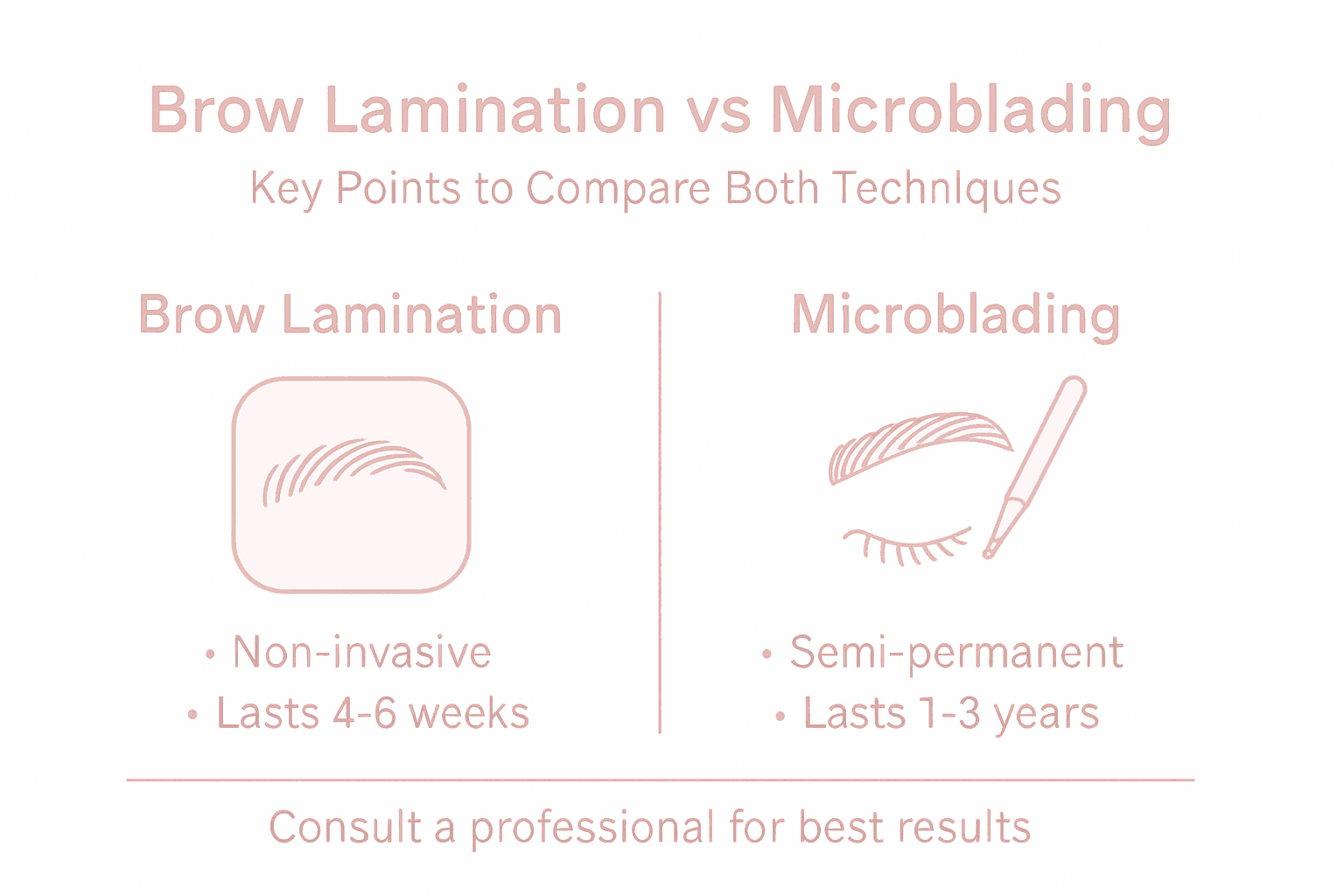
| Brow Lamination | A non-invasive technique ideal for enhancing existing brow hair, lasting 4-6 weeks. |
| Microblading | A semi-permanent procedure that creates hair-like strokes, lasting 1-3 years and suited for sparse brows. |
| Client Evaluation | Assess clients’ aesthetic goals and hair conditions to recommend the suitable technique. |
| Cost Differences | Brow lamination is more affordable ($50-$150), while microblading has a higher initial cost ($300-$800) with less frequent maintenance. |
Defining Brow Lamination and Microblading
Brow enhancement techniques have transformed how beauty professionals approach eyebrow styling. Two prominent methods dominate the current landscape: brow lamination and microblading. While they might seem similar at first glance, these techniques offer distinctly different approaches to achieving fuller, more defined brows.
Brow lamination is a semi-permanent treatment that reshapes natural brow hairs using a specialized chemical solution. The process involves straightening and lifting individual eyebrow hairs to create a fuller, more uniform appearance. Unlike microblading, lamination works directly with a client’s existing hair, setting them in an upward, brushed-out position that creates the illusion of volume and symmetry. This technique typically lasts between 4 to 6 weeks, making it a temporary but transformative option for clients seeking a low-maintenance brow solution.
Microblading, in contrast, is a more invasive semi-permanent cosmetic tattooing technique. Using a handheld needle, trained professionals meticulously implant pigment into the skin, creating hair-like strokes that mimic natural eyebrow growth. This method is particularly effective for clients with sparse or uneven brows, as it can fill in gaps and create a more defined shape. Microblading results typically last between 1 to 3 years, with periodic touch-ups recommended to maintain the desired look.
Pro tip: Always conduct a thorough consultation with clients to understand their aesthetic goals, skin type, and maintenance preferences before recommending either brow lamination or microblading.
Here’s a side-by-side comparison of brow lamination and microblading features and their client impact:
| Aspect | Brow Lamination | Microblading |
|---|---|---|
| Procedure Type | Non-invasive, chemical setting | Semi-permanent skin tattooing |
| Longevity | 4-6 weeks (short-term) | 1-3 years (long-term) |
| Hair Dependency | Uses natural brow hair | Effective with sparse or no hair |
| Pain Level | Minimal discomfort | Some pain; skin penetration |
| Recovery Time | Immediate return to activities | Healing period required |
| Maintenance Frequency | Frequent touch-ups needed | Occasional annual touch-ups |
| Ideal For | Thickening existing brows | Reshaping thin or missing brows |
Key Differences in Technique and Results
Brow lamination and microblading represent two fundamentally distinct approaches to eyebrow enhancement, each with unique techniques that cater to different client needs and aesthetic preferences. Understanding the nuanced differences between these methods is crucial for beauty professionals seeking to provide tailored recommendations.
The primary distinction lies in their application technique. Brow lamination is a non-invasive process that works with existing hair, using chemical solutions to restructure and reposition natural brow hairs. Styling natural brow texture involves carefully straightening and lifting each hair to create a fuller, more uniform appearance. This technique is ideal for clients with unruly or sparse brows who want a more structured look without permanent changes. The results are temporary, typically lasting 4 to 6 weeks, which allows clients to experiment with their brow shape without long-term commitment.
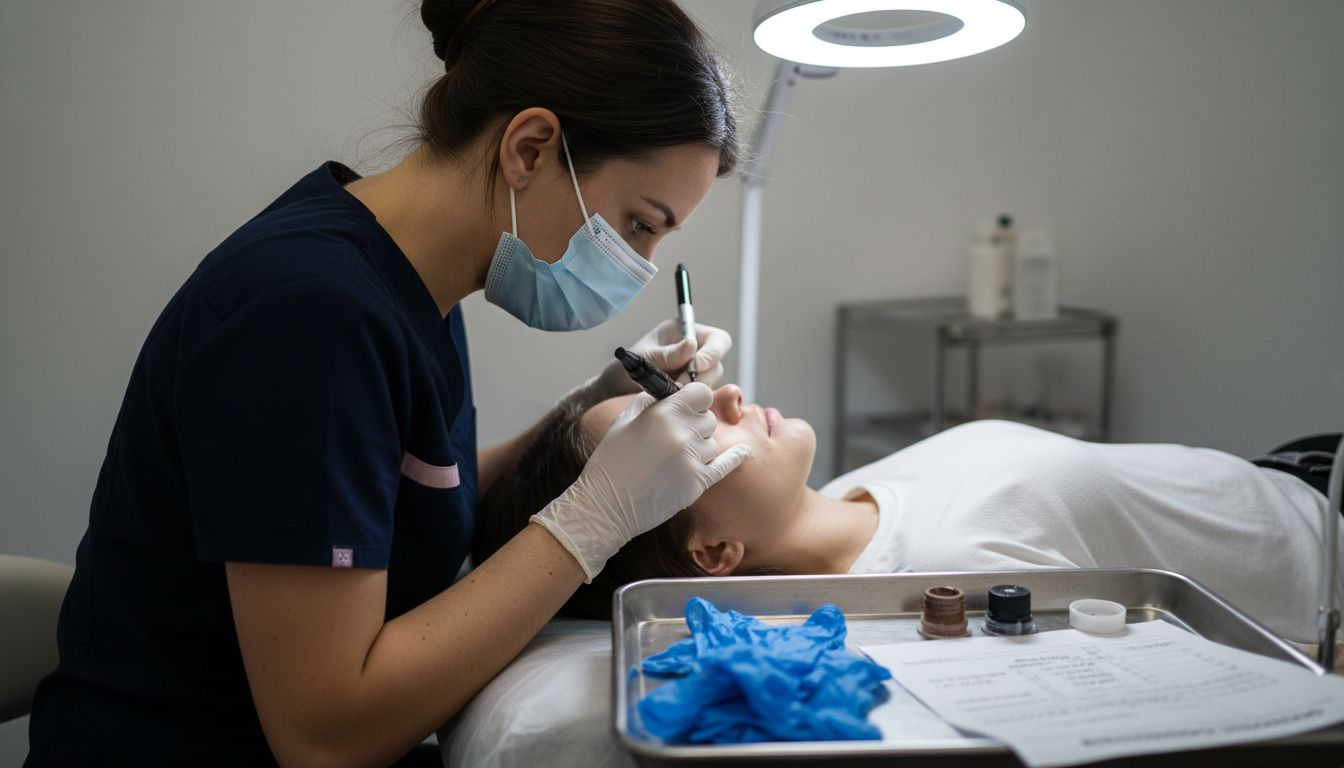
Microblading, conversely, is a more permanent solution that involves precise pigment implantation directly into the skin. Trained technicians use a specialized handheld tool to create incredibly realistic hair-like strokes that mimic natural brow growth patterns. This technique is particularly effective for clients with significant brow sparseness or those wanting to dramatically reshape their eyebrow appearance. Unlike lamination, microblading results can last 1 to 3 years, providing a more enduring transformation that requires less frequent maintenance. The key trade-off is the invasive nature of the procedure, which involves breaking the skin’s surface to deposit pigment.
Pro tip: Always assess your client’s skin type, lifestyle, and maintenance preferences to recommend the most suitable brow enhancement technique.
Ideal Clients and Suitability Factors
Choosing between brow lamination and microblading requires a nuanced understanding of individual client characteristics, aesthetic goals, and physical considerations. Beauty professionals must carefully evaluate multiple factors to recommend the most appropriate brow enhancement technique for each unique client.
Brow lamination is particularly well-suited for clients with specific hair-related challenges. Natural brow texture challenges can be effectively addressed through this technique for individuals with unruly, sparse, or asymmetrical brow hair. Ideal candidates typically include clients with:
- Fine or thin brow hair wanting a fuller appearance
- Naturally curly or unruly eyebrow hair
- Clients seeking a temporary, low-maintenance solution
- Those with minimal skin sensitivity
- Individuals wanting to experiment with brow shape without permanent commitment
Microblading targets a distinctly different client profile, focusing on more dramatic and long-lasting eyebrow transformation. This technique is optimal for clients experiencing more significant brow challenges such as:
- Substantial hair loss or extremely sparse eyebrows
- Clients with medical conditions causing brow thinning
- Individuals wanting precise, defined brow shapes
- Those comfortable with a more invasive cosmetic procedure
- Clients seeking a semi-permanent makeup solution
Pro tip: Conduct a comprehensive skin assessment and patch test before recommending either technique to ensure client safety and optimal results.
Safety, Regulations, and Aftercare Requirements
Navigating the safety landscape of brow enhancement techniques requires meticulous attention to professional standards, client health, and precise procedural protocols. Both brow lamination and microblading demand rigorous safety considerations that extend far beyond basic cosmetic application.
Brow lamination involves chemical processing of eyebrow hair, necessitating careful application and potential allergen management. Critical safety protocols include:
- Mandatory patch testing 24-48 hours before treatment
- Comprehensive client medical history review
- Using professional-grade, hypoallergenic chemical solutions
- Precise timing to prevent over-processing or skin irritation
- Immediate discontinuation if adverse reactions occur
Microblading requires even more stringent safety measures due to its invasive nature. Preventing potential infection risks demands advanced professional expertise, including:
- Sterilized equipment and single-use needles
- Comprehensive understanding of blood-borne pathogen protocols
- State-specific professional licensing requirements
- Detailed client health screening
- Pigment compatibility testing
- Strict adherence to wound care and healing procedures
Pro tip: Maintain comprehensive documentation of patch tests, client consultations, and procedural details to protect both your professional practice and client safety.
Cost Structure, Upkeep, and Common Mistakes
Brow enhancement techniques represent significant investments for both beauty professionals and clients, with each approach presenting unique financial considerations and maintenance requirements. Understanding the nuanced cost structures and potential pitfalls is crucial for making informed decisions about brow treatments.
Brow lamination offers a more affordable entry point, with pricing typically ranging between $50 and $150 per session. The cost-effective nature of this technique comes with specific maintenance expectations:
- Treatments needed every 4-6 weeks
- Lower upfront investment
- Minimal long-term financial commitment
- Flexibility to adjust style frequently
- Reduced ongoing expenses compared to microblading
Microblading represents a more substantial financial investment, with initial costs ranging from $300 to $800. This technique requires a more comprehensive financial strategy:
- Higher initial procedure cost
- Touch-ups ranging $100 to $400
- Maintenance intervals of 12-18 months
- More permanent aesthetic results
- Potentially lower long-term maintenance frequency
Pro tip: Develop a transparent pricing model that clearly communicates the full cost trajectory of each brow enhancement technique to help clients make informed financial decisions.
This table summarizes cost and upkeep differences for each brow enhancement technique:
| Technique | Initial Cost Range | Maintenance Frequency | Typical Upkeep Cost |
|---|---|---|---|
| Brow Lamination | $50–$150/session | Every 4–6 weeks | Lower overall spend |
| Microblading | $300–$800 upfront | Every 12–18 months | Higher per session |
Elevate Your Brow Services with Professional Tools and Expertise
Choosing between brow lamination and microblading can be challenging due to the unique benefits and demands of each technique. Whether you want to offer clients a gentle, non-invasive brow lamination that reshapes natural hairs for a fuller look or a long-lasting microblading solution that delivers precise, hair-like strokes, having the right professional-grade products is essential for success. Understanding customer needs and safety protocols will help you achieve flawless results every time.

Discover premium options in our Brow Lamination Products for Professionals Buy USA collection designed to simplify application while enhancing brow appearance and client satisfaction. For a broader range of brow enhancement essentials, explore LOVELY BROWS to fully equip your salon with trusted brands and solutions. Visit Fraustore USA now to secure quality products that empower your expertise and keep your clients coming back for beautifully styled brows. Start upgrading your brow treatments today and stand out in the competitive beauty industry.
Frequently Asked Questions
What is brow lamination?
Brow lamination is a semi-permanent treatment that reshapes and lifts the natural brow hairs using a specialized chemical solution to create a fuller, more uniform appearance.
How does microblading differ from brow lamination?
Microblading is a semi-permanent cosmetic tattooing technique that involves implanting pigment into the skin to create hair-like strokes, whereas brow lamination focuses on reshaping and styling existing eyebrow hairs.
How long do the results of brow lamination and microblading last?
Brow lamination typically lasts for 4 to 6 weeks, while microblading results can last from 1 to 3 years with periodic touch-ups recommended to maintain the look.
Who are ideal candidates for brow lamination?
Ideal candidates for brow lamination include individuals with fine or thin brows, curly or unruly hair, and those seeking a temporary, low-maintenance solution without permanent commitment.