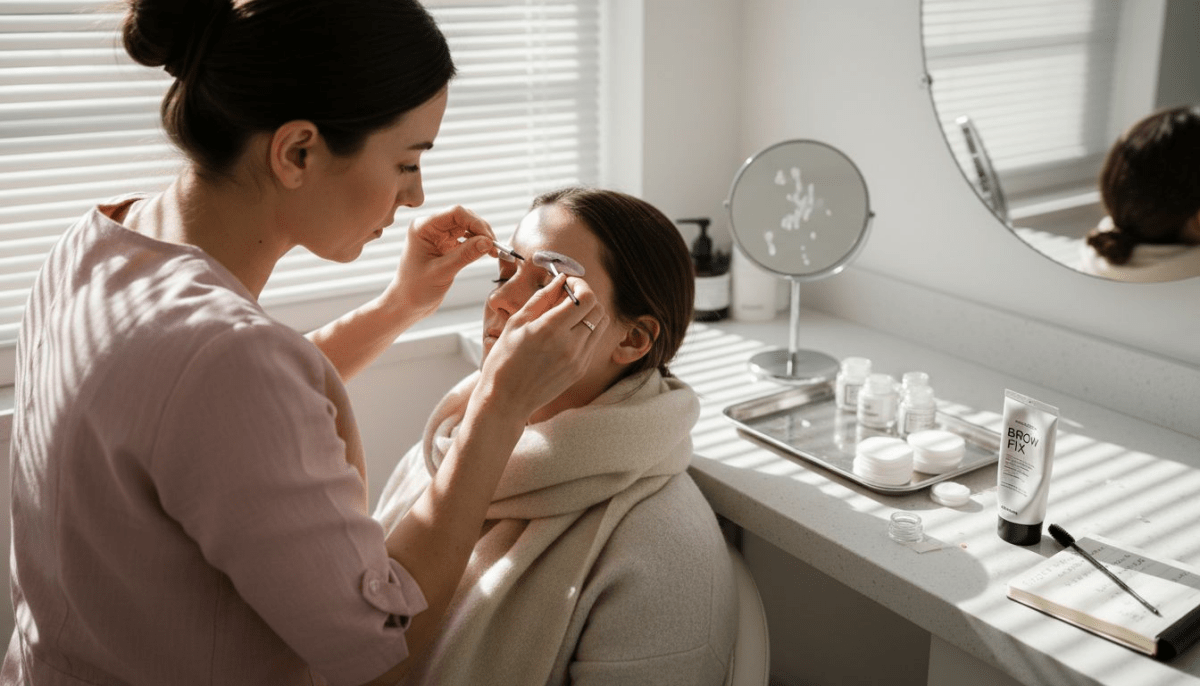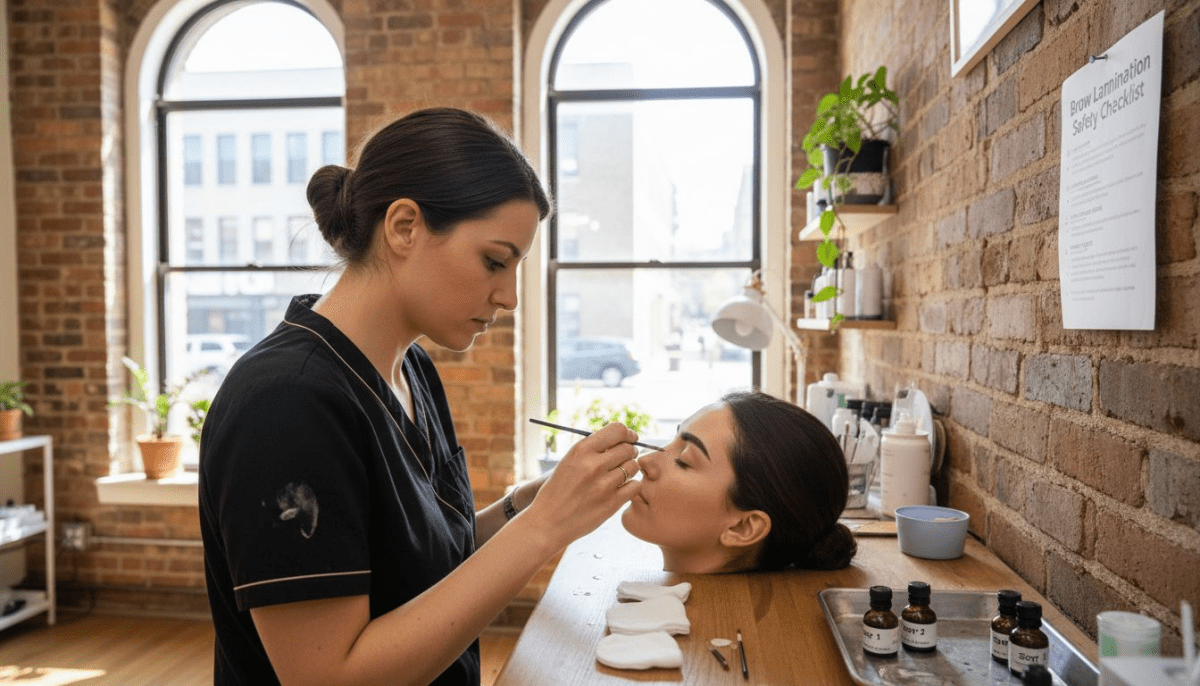
Brow Styling Explained: Elevate Your Salon Services
Most American salons report that well-groomed brows can boost client satisfaction and retention by over 40 percent. Brow styling holds powerful influence on facial harmony and confidence, turning a simple service into a sophisticated art. For licensed estheticians and beauty professionals, mastering advanced brow techniques means offering clients more than just shaping—it means creating unique, transformative results that keep people coming back.
Table of Contents
- Defining Brow Styling And Common Myths
- Types Of Professional Brow Treatments
- Core Brow Styling Techniques And Tools
- Safety, Hygiene, And Regulatory Guidelines
- Avoiding Common Brow Styling Mistakes
- Product Selection For Lasting Results
Key Takeaways
| Point | Details |
|---|---|
| Importance of Brow Styling | Brow styling is a specialized art that enhances facial symmetry and highlights individual features using various techniques beyond mere hair removal. |
| Dispelling Myths | Popular misconceptions about brow aesthetics, such as thinner being better, are increasingly outdated; contemporary trends favor fuller, natural brows. |
| Safety and Hygiene | Adherence to safety protocols and sanitation is crucial in brow styling to protect both clients and practitioners from potential risks. |
| Product Selection | Choosing high-quality, FDA-approved products is essential for achieving long-lasting and safe results across various skin types. |
Defining Brow Styling and Common Myths
Brow styling represents a sophisticated art form where beauty professionals transform eyebrows through strategic shaping, coloration, and enhancement techniques. At its core, brow styling goes far beyond simple hair removal - it’s about creating facial symmetry, highlighting individual features, and crafting personalized aesthetic expressions. Why brow styling matters involves understanding both technical skill and individual facial architecture.
Contrary to popular misconceptions, brow styling isn’t a one-size-fits-all approach. Eyebrows serve critical functions beyond aesthetic appeal - they play essential roles in human communication and facial expression. Eyebrow modification techniques include precise methods like waxing, threading, tweezing, and tinting, each designed to achieve specific visual outcomes. Professional stylists recognize that eyebrow shape can dramatically transform facial perception, making careful technique paramount.
Some persistent myths surrounding brow styling need debunking. Many clients believe thinner eyebrows are always more attractive, but modern trends celebrate natural, fuller brow designs that frame the face authentically. Another common misconception suggests all brow shaping techniques produce identical results - in reality, each method requires specialized skills and produces unique outcomes. Threading creates crisp lines, waxing allows broader area removal, and tweezing permits incredibly precise individual hair management.
Pro tip: Always conduct a thorough client consultation to understand their facial structure, personal style preferences, and desired aesthetic before beginning any brow styling procedure.
Types of Professional Brow Treatments
Professional brow treatments encompass a diverse range of techniques designed to transform and enhance eyebrow appearance, each offering unique benefits for salon clients. From subtle refinements to dramatic reshaping, these treatments require precision, technical skill, and an understanding of individual facial characteristics. Long-lasting brow solutions provide beauty professionals with multiple approaches to meet client aesthetic goals.
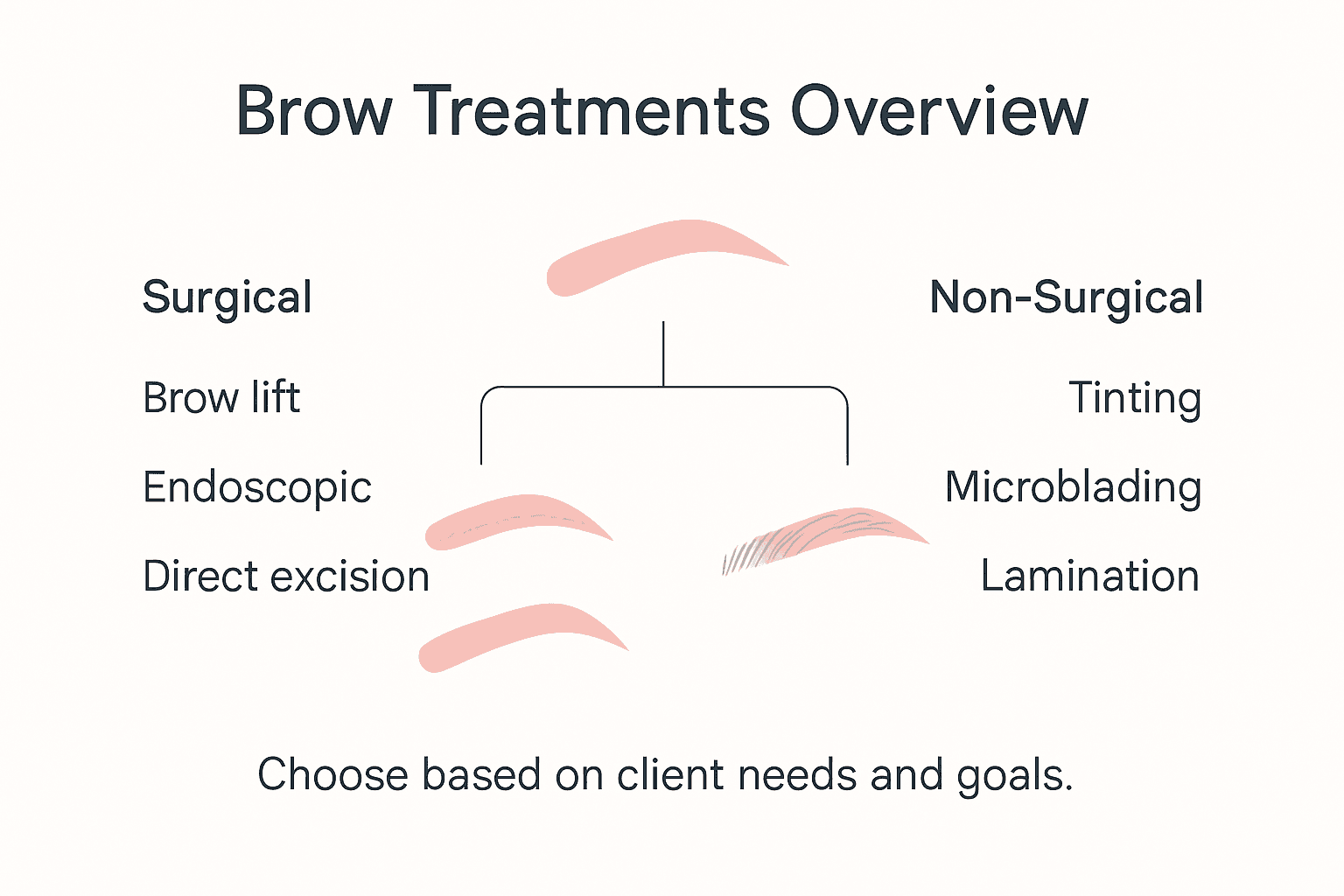
Surgical brow treatments represent an advanced category of professional interventions. Brow lift techniques include endoscopic, trichophytic, and external approaches, each tailored to specific client needs. Endoscopic procedures utilize small incisions and specialized cameras to lift brows with minimal scarring, ideal for moderate to severe brow ptosis. Trichophytic brow lifts offer a unique method of raising eyebrows without altering the natural hairline, performed under local anesthesia to restore a youthful appearance.
Non-surgical brow treatments provide alternative options for clients seeking less invasive solutions. These include professional tinting, which adds depth and definition to eyebrow hair, microblading for semi-permanent shape enhancement, and precision threading or waxing techniques. Brow dye techniques allow stylists to create fuller, more structured brow designs that complement individual facial features and skin tones.
Pro tip: Always conduct a comprehensive facial assessment and discuss client expectations before selecting a specific brow treatment to ensure optimal results and client satisfaction.
Core Brow Styling Techniques and Tools
Brow styling requires a comprehensive understanding of specialized techniques and professional tools that transform eyebrow appearance. Eyebrow shaping methods encompass multiple approaches including precision hair removal techniques like threading, waxing, and tweezing, each designed to achieve specific aesthetic outcomes. Professional stylists must master these techniques to create customized brow designs that complement individual facial structures.
The toolkit for professional brow styling is intricate and multifaceted. Essential tools include high-precision tweezers, professional waxing equipment, threading threads, eyebrow scissors, and an array of cosmetic implements such as angled brushes, stencils, and mapping string. Surgical brow correction techniques represent advanced interventions for clients seeking more dramatic transformations, involving precise skin excision and repositioning to address drooping or asymmetrical eyebrows.
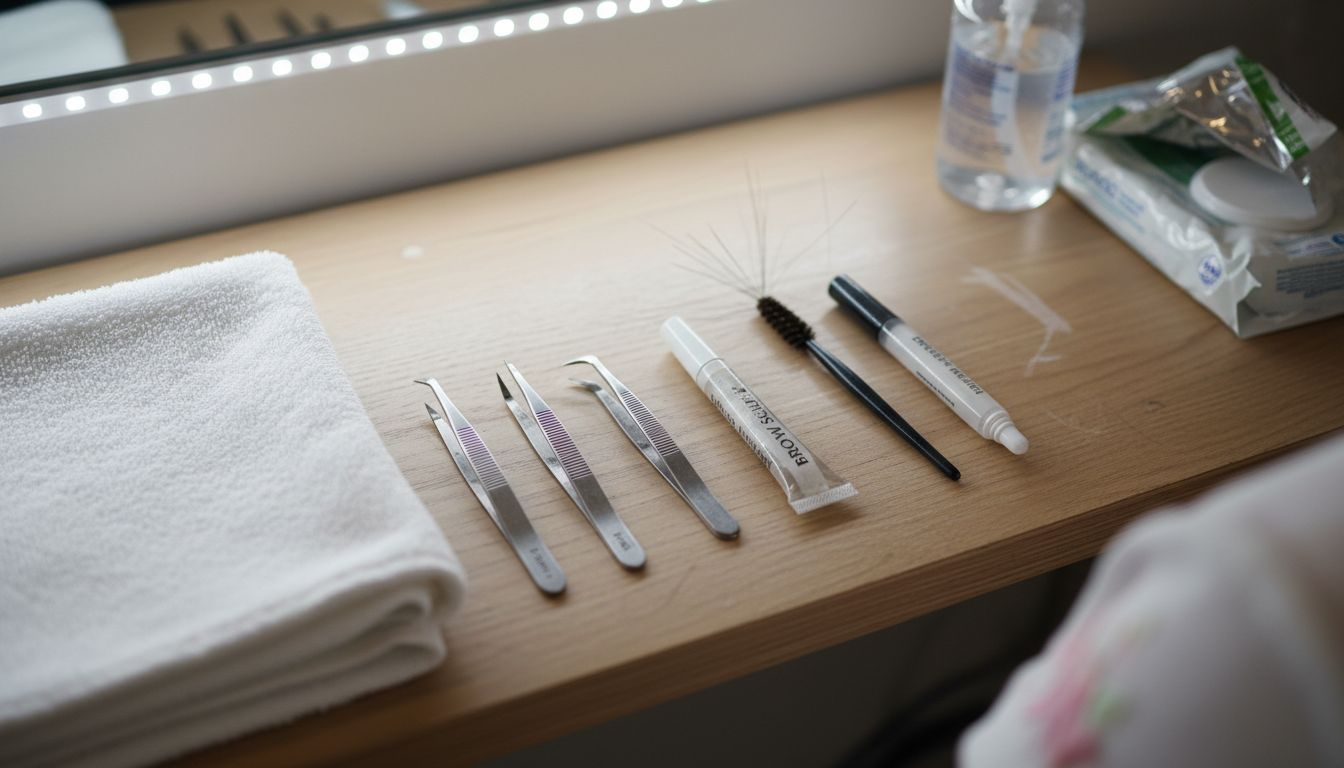
Modern brow styling integrates both manual techniques and cosmetic enhancement tools. Professionals utilize eyebrow pencils, powders, gels, and tinting solutions to create depth, fill sparse areas, and define shape. Advanced techniques like microblading and brow lamination offer semi-permanent solutions that provide clients with enhanced, structured eyebrow appearances that can last weeks or even months. These methods require extensive training and a nuanced understanding of facial geometry and color theory.
Here is a comparison of popular brow styling techniques and their ideal uses:
| Technique | Best For | Longevity |
|---|---|---|
| Threading | Precise shape definition | 2-4 weeks |
| Waxing | Broad area hair removal | 3-5 weeks |
| Tweezing | Detailed corrections | 1-2 weeks |
| Microblading | Semi-permanent fullness | 12-24 months |
| Tinting | Enhancing color and depth | 3-6 weeks |
Pro tip: Invest in high-quality, sterilizable tools and regularly update your technique training to maintain professional standards and deliver exceptional client results.
Safety, Hygiene, and Regulatory Guidelines
Professional brow styling requires strict adherence to comprehensive safety and regulatory standards that protect both practitioners and clients. These guidelines encompass multiple dimensions of workplace safety, including equipment sterilization, product handling, and personal protection protocols. Understanding and implementing these standards is not just a legal requirement but a fundamental aspect of professional beauty service delivery.
Regulatory bodies like state cosmetology boards establish precise requirements for salon operations. Licensing and compliance regulations mandate specific training, sanitation practices, and professional conduct standards for brow styling professionals. These guidelines typically include requirements for tool sterilization, workspace cleanliness, product safety testing, and ongoing professional education to ensure practitioners maintain high standards of client care and professional competence.
Key safety considerations in brow styling include preventing cross-contamination, managing potential allergic reactions, and maintaining a sterile working environment. Professionals must carefully select and maintain tools, use single-use applicators when possible, perform patch tests for chemical treatments, and maintain detailed client records. Additional safety protocols involve proper personal protective equipment, maintaining clean workstations, and following manufacturer guidelines for all products and tools used during brow styling treatments.
The following table summarizes crucial safety measures for professional brow styling:
| Safety Aspect | Why It Matters | Key Practice |
|---|---|---|
| Tool Sterilization | Reduces infection risk | Sanitize after each use |
| Patch Testing | Prevents allergic reactions | Test products on skin beforehand |
| Workspace Cleanliness | Supports a safe client environment | Disinfect all surfaces regularly |
| PPE Use | Protects practitioner and client | Wear gloves and masks when needed |
Pro tip: Develop a comprehensive safety checklist and conduct daily equipment and workspace inspections to consistently meet professional hygiene standards and protect your clients.
Avoiding Common Brow Styling Mistakes
Brow styling professionals must be vigilant about preventing common cosmetic errors that can compromise client satisfaction and aesthetic outcomes. Over-tweezing remains one of the most frequent mistakes, where excessive hair removal leads to unnatural, thin eyebrow shapes that fail to complement facial features. Maintaining symmetry and understanding individual facial structure are critical skills that distinguish professional stylists from amateur practitioners.
Professional cosmetic guidance emphasizes the importance of comprehensive client assessment before any brow styling procedure. Critical errors include selecting incorrect color tones that clash with natural hair and skin color, applying products without considering skin sensitivity, and neglecting proper hygiene protocols. Professionals must perform thorough patch tests, understand diverse skin and hair types, and adapt techniques accordingly to prevent potential adverse reactions or unsatisfactory results.
Technical precision plays a crucial role in avoiding brow styling mistakes. Common technical errors include uneven shaping, improper hair removal techniques that risk skin irritation, and applying treatments without understanding facial anatomy. Stylists should invest in continuous education, practice advanced mapping techniques, and develop a nuanced understanding of how different brow styles interact with various facial structures. Utilizing proper tools, maintaining sterilization standards, and developing a consistent, methodical approach are essential for delivering professional, high-quality brow styling services.
Pro tip: Create a personalized client consultation checklist that systematically evaluates skin type, facial structure, and aesthetic preferences to minimize styling errors and maximize client satisfaction.
Product Selection for Lasting Results
Selecting high-quality products is fundamental to achieving professional microblading and brow styling results. The durability and aesthetic quality of brow treatments depend critically on pigment composition, tool precision, and technician expertise. Professional stylists must understand that product selection goes far beyond aesthetic preferences, encompassing safety, skin compatibility, and long-term performance.
Professional brow treatment protocols emphasize the importance of using FDA-approved products tailored to individual skin types and aesthetic goals. Key considerations include pigment stability, color retention, hypoallergenic properties, and minimal potential for adverse reactions. Professionals should prioritize products that offer consistent color matching, natural-looking application, and proven longevity, typically ranging from 18 to 30 months with proper application and maintenance techniques.
Comprehensive product selection involves evaluating multiple factors beyond immediate visual appeal. Stylists must consider skin sensitivity, undertone compatibility, product ingredients, and potential interaction with different skin types. Advanced practitioners develop a nuanced understanding of how various pigments and application tools perform across diverse client demographics, allowing them to customize treatments that deliver personalized, natural-looking results with maximum client satisfaction.
Pro tip: Develop a systematic product testing protocol that evaluates pigment performance, skin compatibility, and long-term results before integrating new brow styling products into your professional practice.
Elevate Your Brow Styling with Professional Tools and Products
Mastering the art of brow styling means overcoming challenges like achieving perfect symmetry, selecting the right techniques, and ensuring long-lasting, natural-looking results. This article highlights key pain points such as precise shaping, color matching, and safety standards — each essential for delivering outstanding client satisfaction. With terms like microblading, tinting, and waxing, it is clear that success in brow styling depends on using the right tools and products designed specifically for these techniques.
To truly elevate your salon services, explore our curated collection of Brow Application Tools & Products. These professional-grade items allow you to enhance precision and consistency while maintaining strict hygiene protocols. For flawless shaping and detailing, check out our specialized Brow Tweezers for Perfect Shaping designed to meet the demands of expert stylists. Combine these with premium products from our SCULPTOR USA Lash & Brow Products line to guarantee pigmentation that complements every skin tone and facial structure.

Transform your brow styling skills today by leveraging top-quality supplies and trusted brands all available at Fraustore USA. Act now to provide your clients with the flawless, personalized eyebrows they desire. Visit our site to shop professional tools that make precision simple and results exceptional.
Frequently Asked Questions
What is brow styling and why is it important?
Brow styling is the art of shaping, coloring, and enhancing eyebrows to create facial symmetry and highlight individual features. It plays a critical role in enhancing a person’s overall appearance and allowing for personalized aesthetic expressions.
What are the common techniques used in brow styling?
Common brow styling techniques include threading, waxing, tweezing, tinting, microblading, and brow lamination. Each method has its unique benefits and ideal uses, ranging from precise hair removal to semi-permanent enhancements.
How do I choose the right brow treatment for my client?
To choose the right brow treatment, conduct a comprehensive facial assessment and discuss your client’s expectations. Consider factors such as their facial structure, hair type, and desired aesthetic to ensure optimal results and satisfaction.
What safety measures should be followed during brow styling?
Key safety measures include sterilizing tools, practicing good hygiene, using patch tests for allergies, and maintaining a clean workspace. It’s important to adhere to regulatory standards to protect both clients and practitioners during brow styling procedures.