Brow Tint vs Dye: What Every Esthetician Must Know
More than 85 percent of American clients request brow enhancement each year but choosing between tint and dye can shape the outcome and client satisfaction. As brow and lash services evolve in the United States, knowing these techniques sets licensed estheticians apart in a competitive market. This overview clarifies how tinting and dyeing differ so you can confidently match each method to your client’s unique needs and safety requirements.
Table of Contents
- Defining Brow Tint And Brow Dye Methods
- How Brow Tinting And Dyeing Work
- Types, Formulas, And Color Results Compared
- Longevity, Client Suitability, And Maintenance
- Safety Protocols And U.S. Compliance Requirements
- Choosing The Right Product For Your Client
Key Takeaways
| Point | Details |
|---|---|
| Difference Between Tinting and Dyeing | Brow tinting provides subtle enhancements, while dyeing offers more dramatic and longer-lasting results. |
| Safety Protocols Are Essential | Brow tinting requires strict adherence to safety protocols, including patch tests and documentation of client reactions. |
| Product Selection is Crucial | Estheticians must assess individual client needs, skin sensitivity, and desired outcomes to choose the appropriate product. |
| Longevity Varies by Method | Tinting lasts 2 to 4 weeks, whereas dyeing can last up to 6 weeks, influencing maintenance routines. |
Defining Brow Tint and Brow Dye Methods
In the beauty industry, understanding the nuanced difference between brow tinting and brow dyeing is crucial for professional estheticians. While these techniques might seem similar at first glance, they represent distinct approaches to enhancing eyebrow appearance. Brow coloring treatments exist on a spectrum that range from subtle color enhancement to dramatic transformation.
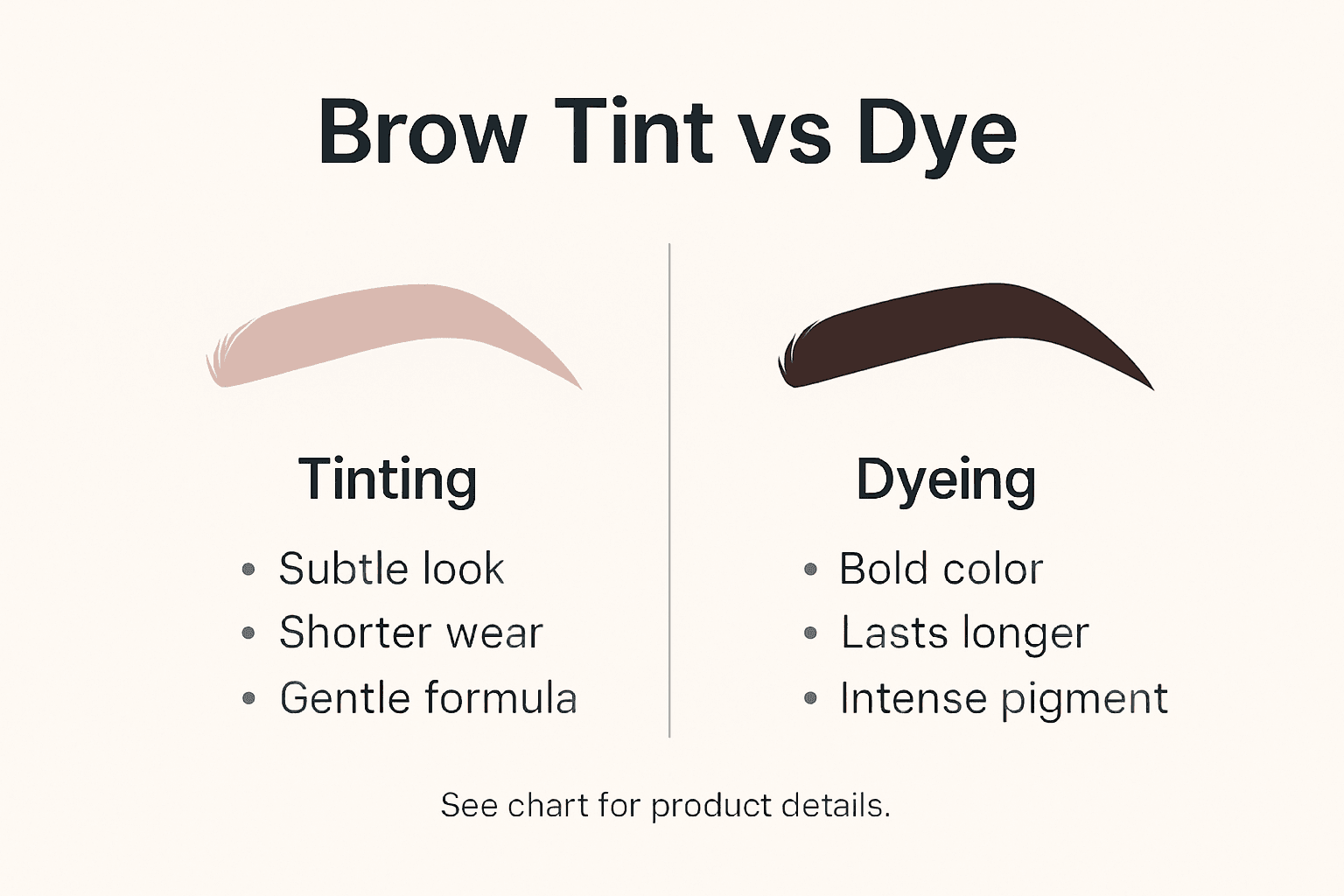
Brow tinting is a gentler method focused on enhancing existing eyebrow hairs with semi-permanent color. This technique typically involves applying a specialized pigment that coats individual brow hairs, creating a more defined and uniform appearance without significant structural changes. Tinting works best for clients seeking a natural, subtle boost to their existing brow shape and color.
In contrast, brow dyeing is a more intensive process designed to deliver longer-lasting and more dramatic results. This method not only colors the brow hairs but also tends to stain the skin underneath, creating a fuller and more defined brow look. Dyeing is particularly effective for clients with sparse or light-colored brows who want a more pronounced and structured eyebrow appearance.
Pro tip: Always conduct a thorough patch test before applying any brow tint or dye to ensure your client does not have an adverse reaction to the product.
Here’s a comparison of brow tinting and brow dyeing for professional practice:
| Aspect | Brow Tinting | Brow Dyeing |
|---|---|---|
| Color Intensity | Subtle, enhances natural brows | Bold, delivers dramatic look |
| Skin Staining | Minimal to none | Noticeable, adds fullness |
| Duration on Brows | 2 to 4 weeks | Up to 6 weeks |
| Best For | First-time or natural look | Sparse or light brows |
How Brow Tinting and Dyeing Work
Professional brow tinting and dyeing require precise techniques and specialized skills that go far beyond simple color application. The professional eyebrow tinting process involves multiple critical steps designed to ensure safe, accurate, and long-lasting results for clients.
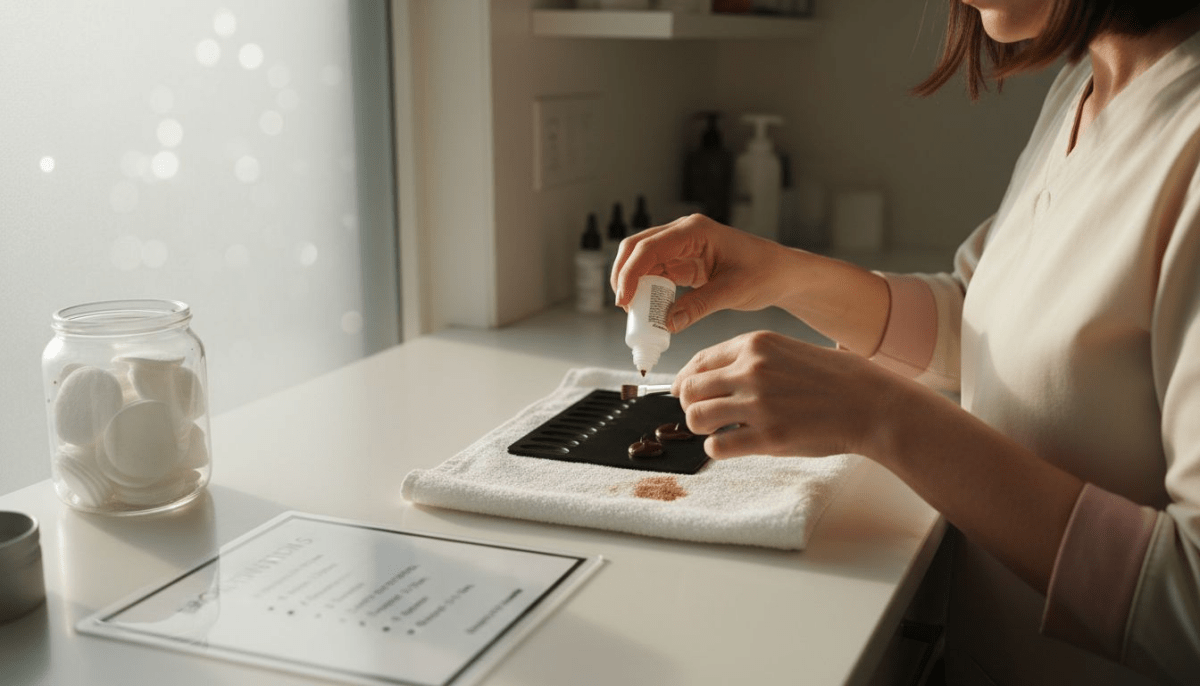
The standard brow tinting workflow typically follows a systematic approach. First, estheticians thoroughly cleanse the brow area to remove any oils, makeup, or residue that could interfere with pigment absorption. Next, a protective barrier of petroleum jelly is applied around the brows to prevent accidental staining of the surrounding skin. The specialized cream colorant is then carefully applied, ensuring even coverage across each individual brow hair.
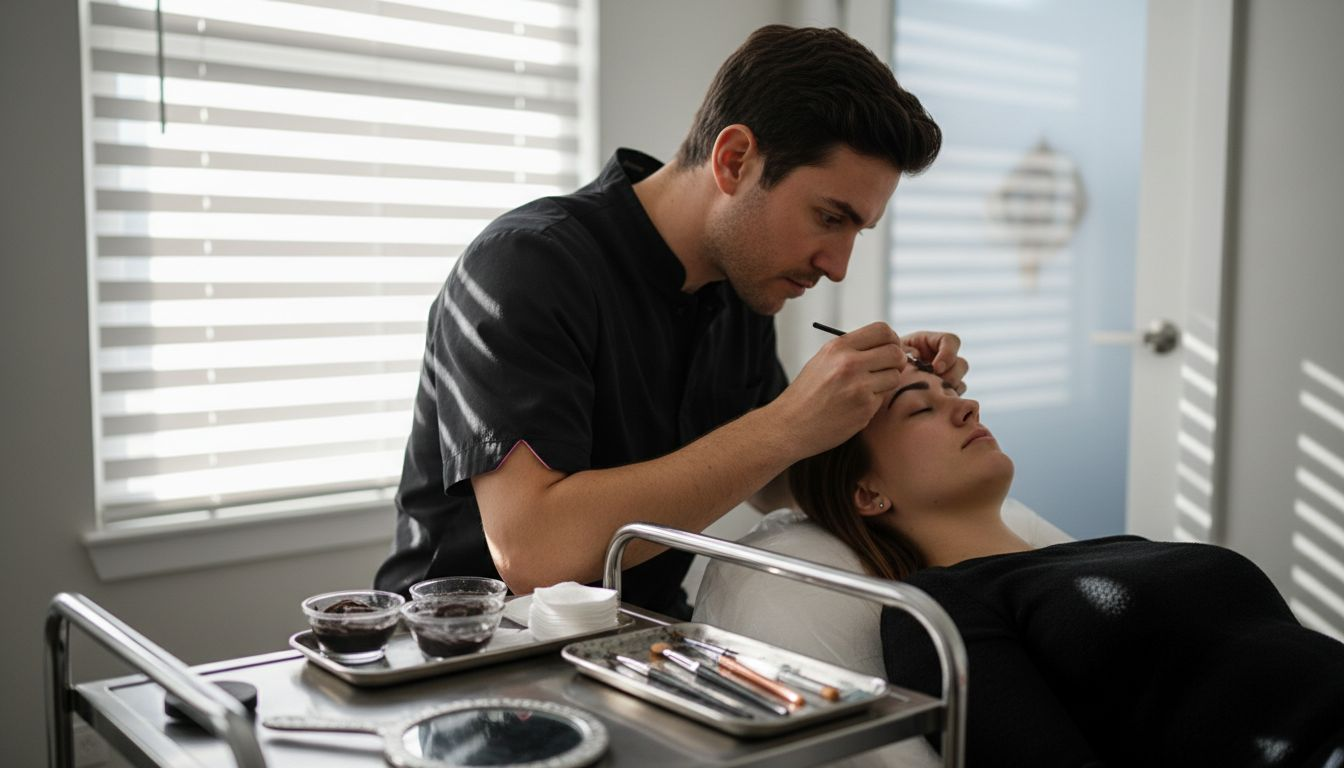
During the application process, professionals use a gel activator to accelerate color processing and enhance pigment penetration. This step is crucial for achieving consistent, vibrant color that lasts. The tint is left on for a predetermined time based on the client’s hair type, desired intensity, and natural color, with careful monitoring to prevent over-processing. Once the ideal color depth is reached, the tint is meticulously wiped away, revealing transformed brows.
Pro tip: Always keep precise records of each client’s specific tint mixture, processing time, and skin sensitivity to ensure consistent and personalized results.
Types, Formulas, and Color Results Compared
The world of brow tinting offers multiple sophisticated options for beauty professionals seeking to deliver precise, customized results. Eyebrow tinting technologies span several distinct types, each with unique characteristics designed to meet diverse client preferences and aesthetic goals.
Traditional chemical dye formulas remain the cornerstone of professional brow coloration. These professional-grade products typically use cream or gel bases with oxidative developers, creating bold and deep color that penetrates both hair and skin. These tints deliver intense pigmentation lasting approximately 4 to 6 weeks, making them ideal for clients desiring dramatic, long-lasting brow enhancement. The chemical composition allows for precise color matching and reliable results across different hair types and textures.
Specialty tinting methods have emerged to provide alternative options for clients with sensitive skin or those seeking more natural outcomes. Henna-based tints represent a significant innovation, offering organic pigmentation that stains both hair and skin with a softer, more natural finish. These formulas typically last up to 6 weeks on hair and about one week on skin, providing a gentler alternative to traditional chemical treatments. Hybrid brow tints further expand professional options by blending traditional dye technologies with henna-like properties, creating versatile color application techniques that cater to a wide range of client needs.
Pro tip: Always conduct a comprehensive patch test and consultation before selecting a specific tinting formula to ensure optimal client safety and satisfaction.
This table summarizes common brow coloring formulas and their attributes:
| Formula Type | Main Ingredient | Effect on Skin | Durability |
|---|---|---|---|
| Chemical Dye | Oxidative pigment | Can stain skin | 4–6 weeks |
| Henna-Based Tint | Natural henna | Stains skin | Up to 6 weeks |
| Hybrid Tint | Dye & henna blend | Moderate effect | 4–6 weeks |
Longevity, Client Suitability, and Maintenance
Understanding the nuanced differences in brow tinting longevity is crucial for estheticians seeking to match the perfect treatment to each client’s unique needs. Different tinting techniques offer varying durations and aesthetic outcomes, requiring careful professional assessment.
For first-time clients and those desiring subtle enhancement, professional brow tints provide an ideal solution. These treatments typically last between 2 to 4 weeks, offering a soft, natural appearance with minimal commitment. The gentle formulation makes them perfect for clients who want to experiment with brow color without dramatic transformation. Maintenance involves minimal intervention, with recommended touch-ups every 3-4 weeks to maintain consistent color and definition.
In contrast, professional brow dye serves clients seeking more dramatic and long-lasting results. These treatments are particularly suited for individuals with very light or sparse brows who desire bold, intense color. Dye formulations can maintain color vibrancy for up to 6 weeks, significantly reducing the frequency of touch-ups. However, these treatments require more advanced application techniques and potentially stronger chemical formulations, demanding greater technical expertise from the esthetician.
Pro tip: Develop a comprehensive client consultation form that captures skin sensitivity, brow hair texture, and color history to select the most appropriate tinting method.
Safety Protocols and U.S. Compliance Requirements
Professional estheticians must navigate a complex landscape of regulatory requirements when performing brow tinting services. FDA regulations for eyebrow tinting products are stringent and specific, demanding meticulous attention to safety and legal compliance.
The federal regulatory framework for brow tinting centers on precise product specifications and application protocols. The Food and Drug Administration permits only silver nitrate-based tinting products for professional use, with critical restrictions. These products must not exceed 4% silver nitrate by weight, require specialized application techniques, and are strictly limited to professionals working with clients over 16 years old. Application time is critically constrained, with treatments mandated to last no longer than one minute and requiring immediate removal to minimize potential adverse reactions.
Beyond federal guidelines, professional estheticians must implement comprehensive safety protocols that protect client well-being. This includes mandatory patch testing, thorough client medical history review, and detailed informed consent processes. Precise documentation of product batches, application times, and individual client reactions becomes crucial for maintaining professional standards and mitigating potential liability risks. Estheticians must also ensure proper product storage, maintain current certification, and stay updated on evolving regulatory requirements that govern cosmetic treatment protocols.
Pro tip: Create a standardized client intake form that comprehensively captures medical history, skin sensitivity, and previous reaction history to minimize potential complications during brow tinting procedures.
Choosing the Right Product for Your Client
Professional consultation remains the cornerstone of selecting the optimal brow tinting approach, requiring nuanced understanding of individual client needs, aesthetic goals, and physiological characteristics.
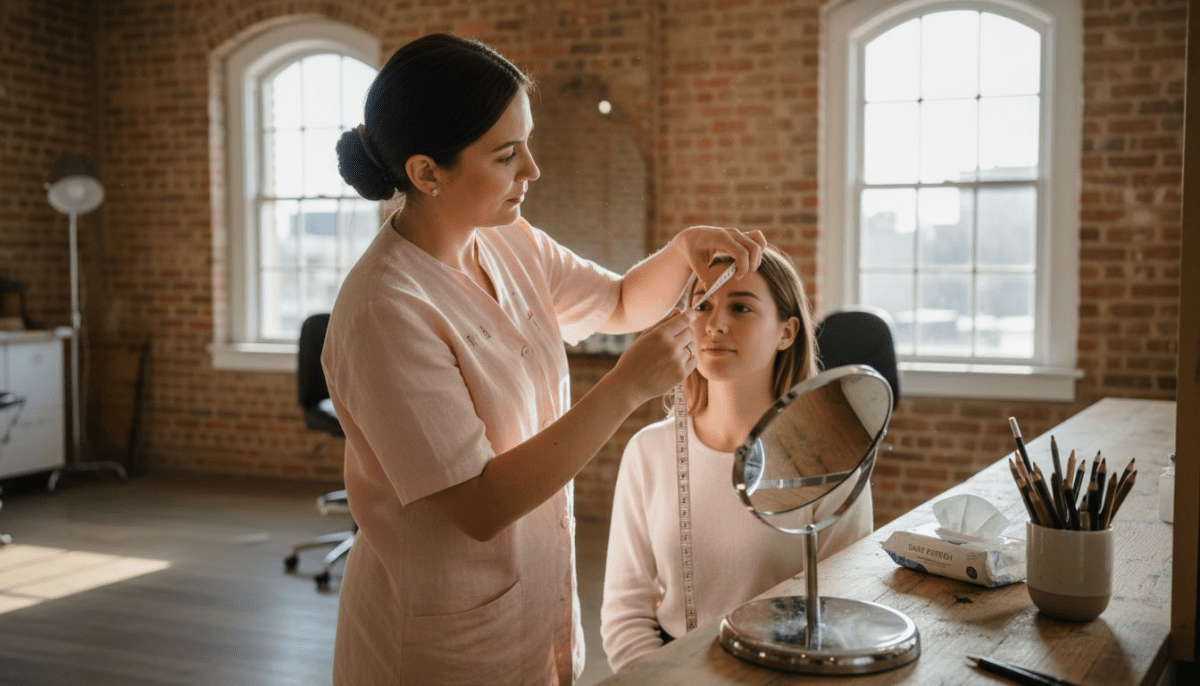
The client assessment process involves a comprehensive evaluation of multiple critical factors. Skin sensitivity, hair texture, natural brow color, and desired aesthetic outcome all play pivotal roles in determining whether a tint or dye treatment will be most appropriate. For clients with fine, light brows seeking minimal enhancement, professional tints provide a subtle, natural-looking solution. Conversely, individuals with sparse or extremely light brows might benefit from more intensive dye treatments that offer greater pigment saturation and longer-lasting results.
Critical selection criteria extend beyond immediate visual preferences. Estheticians must carefully consider the client’s lifestyle, maintenance capabilities, and potential allergic reactions. Factors such as frequency of touch-ups, skin tolerance to chemical treatments, and long-term brow care expectations significantly influence the recommended treatment. Professional-grade products demand a holistic approach that balances aesthetic desires with individual physiological constraints, ensuring both client satisfaction and safety.
Pro tip: Develop a detailed client consultation worksheet that systematically captures skin type, brow characteristics, and treatment history to guide precise product selection.
Master Brow Tinting and Dyeing with Professional Products Today
Choosing the right brow tint or dye challenges even the most experienced estheticians. This article highlights key differences like subtle color enhancement versus dramatic pigmentation and the importance of safety protocols and client consultation. Achieving flawless, long-lasting brows starts with selecting quality products tailored to your client’s needs and skin sensitivity.
Elevate your services by exploring our wide selection of Brow Tinting & Dyes | Long-Lasting Professional Colors crafted for precision and outstanding results.

Don’t settle for guesswork when your clients deserve expert care and stunning brows. Visit Fraustore USA now to find professional-grade tinting systems, dyes, and accessories. Pair these with innovative tools from OKIS USA - Lash & Brow Lamination Products and quality LASH TINT options to complete your brow enhancing toolkit. Act today to stay ahead in brow artistry and secure client trust with results that speak volumes.
Frequently Asked Questions
What is the difference between brow tinting and brow dyeing?
Brow tinting enhances existing eyebrow hairs with semi-permanent color, providing a subtle, natural look. In contrast, brow dyeing delivers more dramatic results, staining both the hairs and the skin beneath for a fuller appearance.
How long do brow tinting and dyeing results typically last?
Brow tinting results usually last between 2 to 4 weeks, while brow dyeing can maintain color for up to 6 weeks, making it ideal for those who want longer-lasting, bolder brows.
Are there any safety protocols that estheticians should follow during brow tinting?
Yes, estheticians should conduct patch tests, review the client’s medical history, and obtain informed consent. It’s also essential to document product batches and application times to ensure client safety and compliance with regulatory requirements.
What factors should estheticians consider when choosing between tint and dye for a client?
Estheticians should assess factors like the client’s skin sensitivity, hair texture, natural brow color, aesthetic goals, and lifestyle. These elements will help determine whether a tint or dye treatment is more suitable for the client.